tomebldr
Playable worlds from branching books.
Explore illustrated scenes with narration in English and German. We're building a subscription catalogue of licensed gamebooks and campaign stories for hobby gamers.
What it is
One story in. A complete experience out.
An AI pipeline in six stages between a printed page and a playable world — each stage visible, each one inspectable.
Book / PDF
The branching story as it exists today — pages, sections, and choices.
- 01
Story extraction
Language models turn the text into structure: sections, links, and narrative beats.
- 02
Choice graph
Every decision mapped as paths through a living world state.
- 03
Scene art
Image models generate the moments that matter, in a look developed for the tome.
- 04
Translation
Language models carry the tome into the major languages — the structure stays, the words change.
- 05
Narration
Text-to-speech models give every scene a voice, in the source language or any translation.
- 06
Playable web app
A responsive experience readers can play on any screen.
We license a title from its publisher and carry the cost of the conversion. Readers subscribe to tomebldr; the publisher receives a share of subscription revenue.
Playable demo
Eighteen sections. Two languages. Play it.
A real conversion, not a mock-up. Start in the mosaic workshop, get past the old man, and the north wing opens up — a dozen rooms you can walk in any order. Scene art, generated narration in English and German, and the block each section actually resolves into: a fight, a choice, a roll of the dice.
The old man you fight in section 96 is the same man who talks in 95 — same face, same voice. The white dragon on the ledge in 184 is the one whose half-finished mosaic hangs in the steam room. Holding a cast together across hundreds of scenes is the hard part of converting a whole book, and it is what the pipeline is built for.
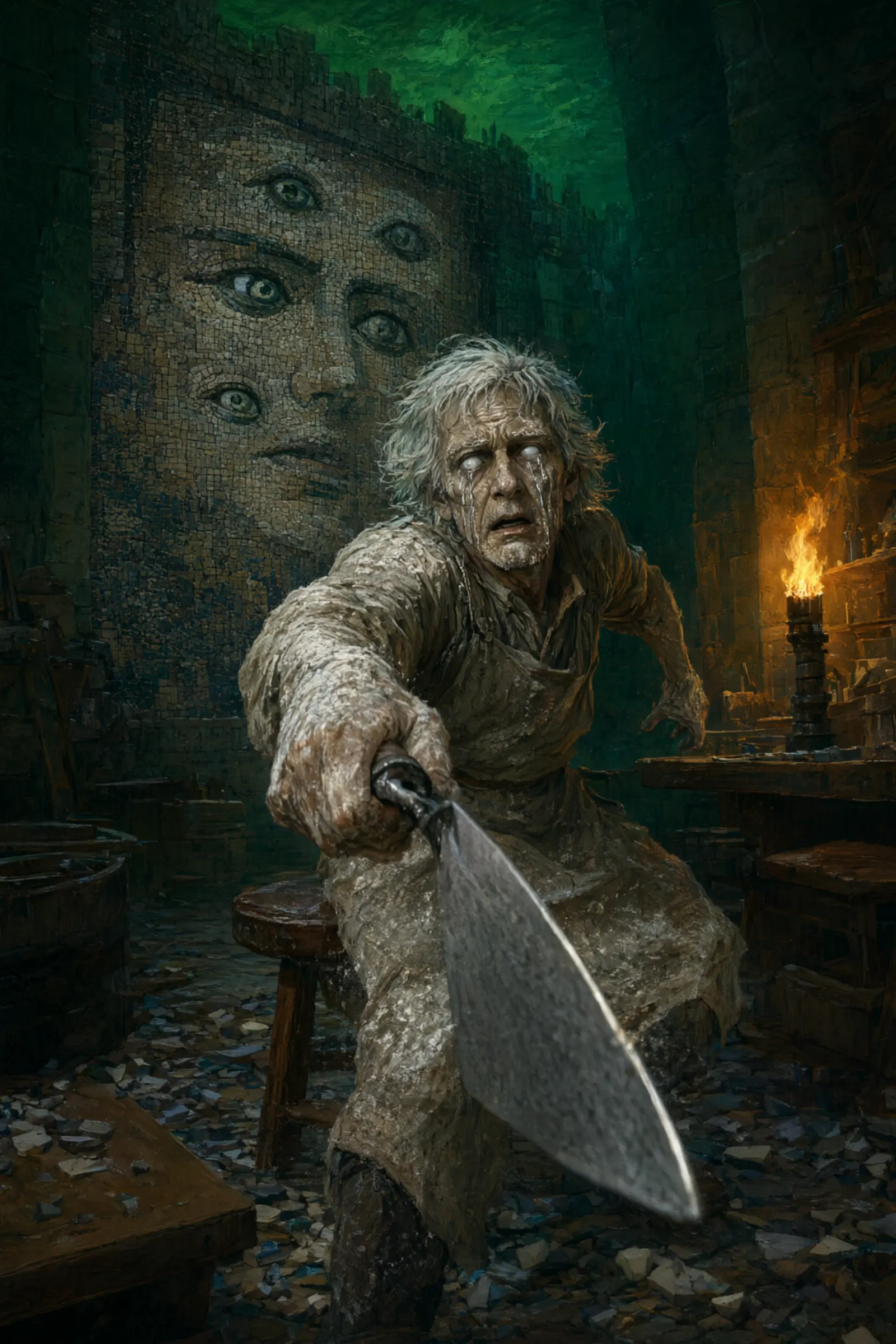
Section 96
The Old Man
You grip the old man's shoulder and shake the words out of him. It is the wrong touch.
Cauliff shrieks — a dry, papery sound, like a page torn from an old book — and swings his trowel at your head with surprising speed, weeping as he does it. Plaster dust bursts from his apron; the milk-white eyes stare through you at something twelve years gone. "Not again! Not again! The green — the GREEN—"
Behind him, the half-finished fortress of tesserae watches from the wall with a thousand small stone eyes as the old man attacks.
Combat
Cauliff the Mosaicist
- Skill
- 2
- Stamina
- 3
- Damage
- 1
In the finished player this is resolved by dice. Here you pick the outcome.
English and German are shown here. Further languages are available on request — the structure carries over, so a new language means a translation pass and a narration pass, not a second production.
Demo material adapted from Fortress, Tomb, and Tower: The Glain Campaign by Chris Gonnerman and contributors, © 2005–2024, available at basicfantasy.org and licensed under CC BY-SA 4.0. The text has been restructured into a branching gamebook, expanded and translated into German; the narration is generated from that adaptation. This adapted text and its narration are likewise licensed under CC BY-SA 4.0. Scene art is generated and is not part of the original work.
Tomes
Two tomes so far
Tome I
Pictures from the first tome
Scene plates from the first complete run through the pipeline — a gamebook lifted from the page and rebuilt as scenes, voices, and paths. Many more to come.
- Scene plates
- 263
- Source
- 1 tome
- Languages
- EN · DE
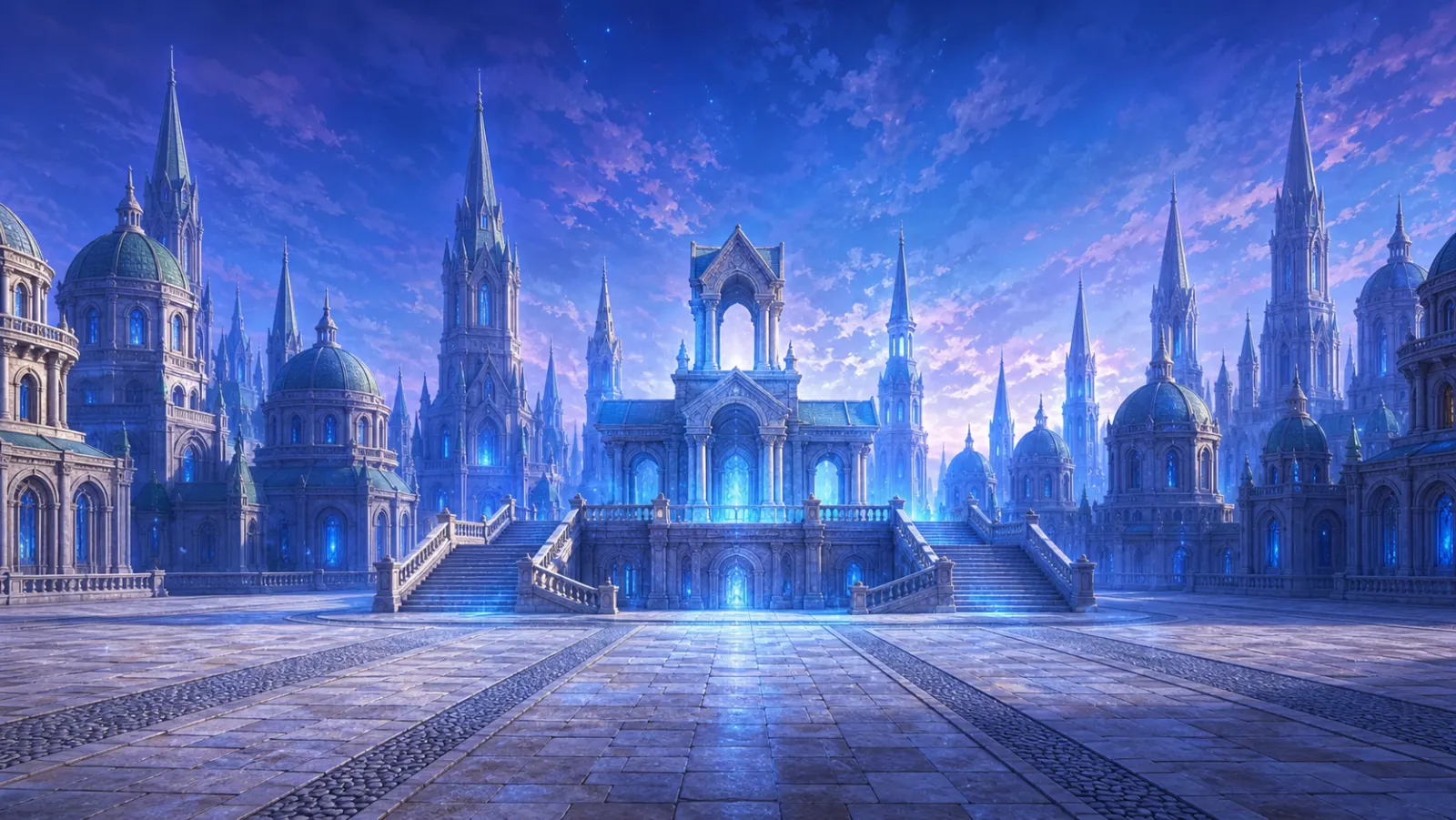 The azure plaza
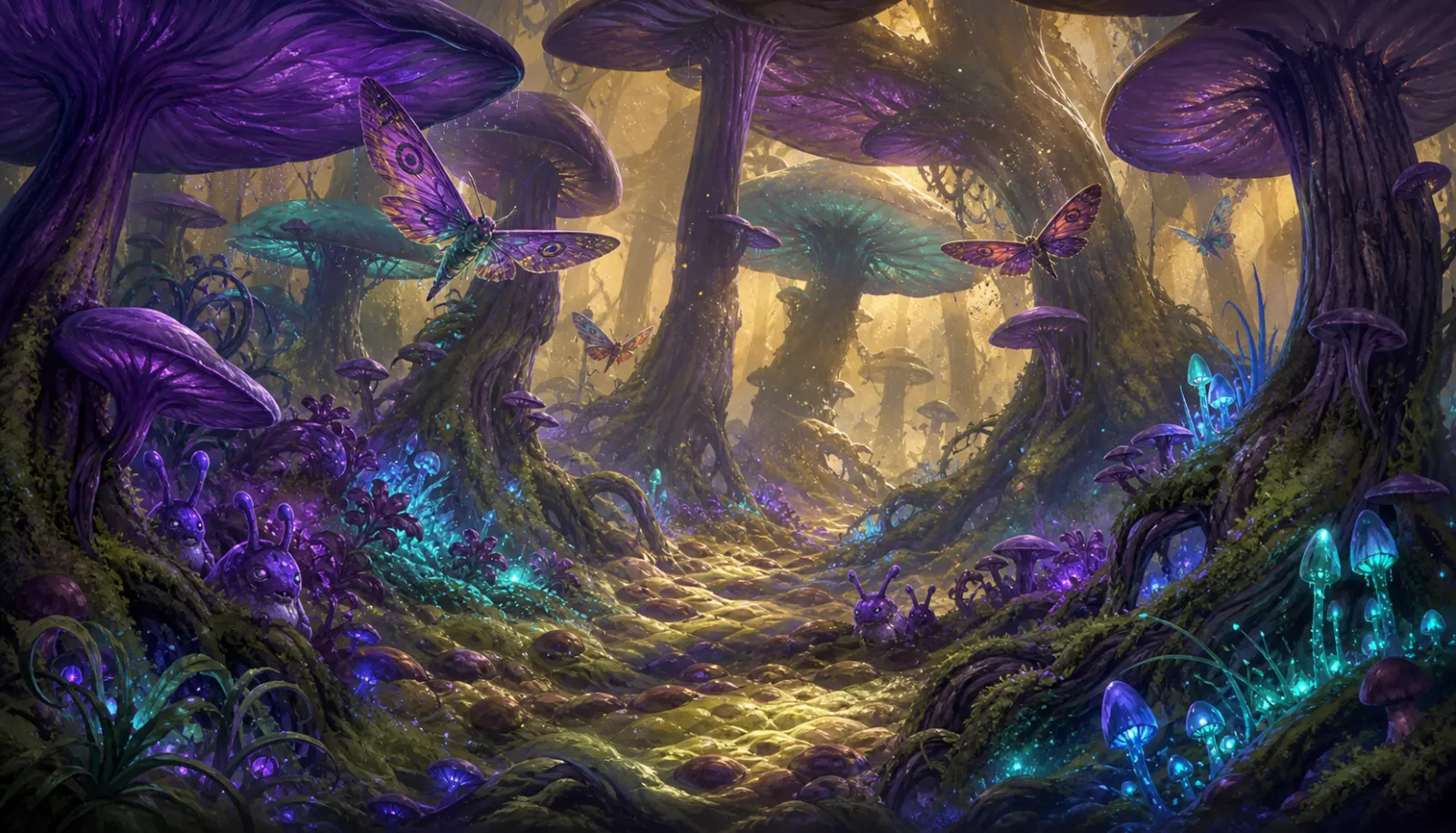 The moth canopy
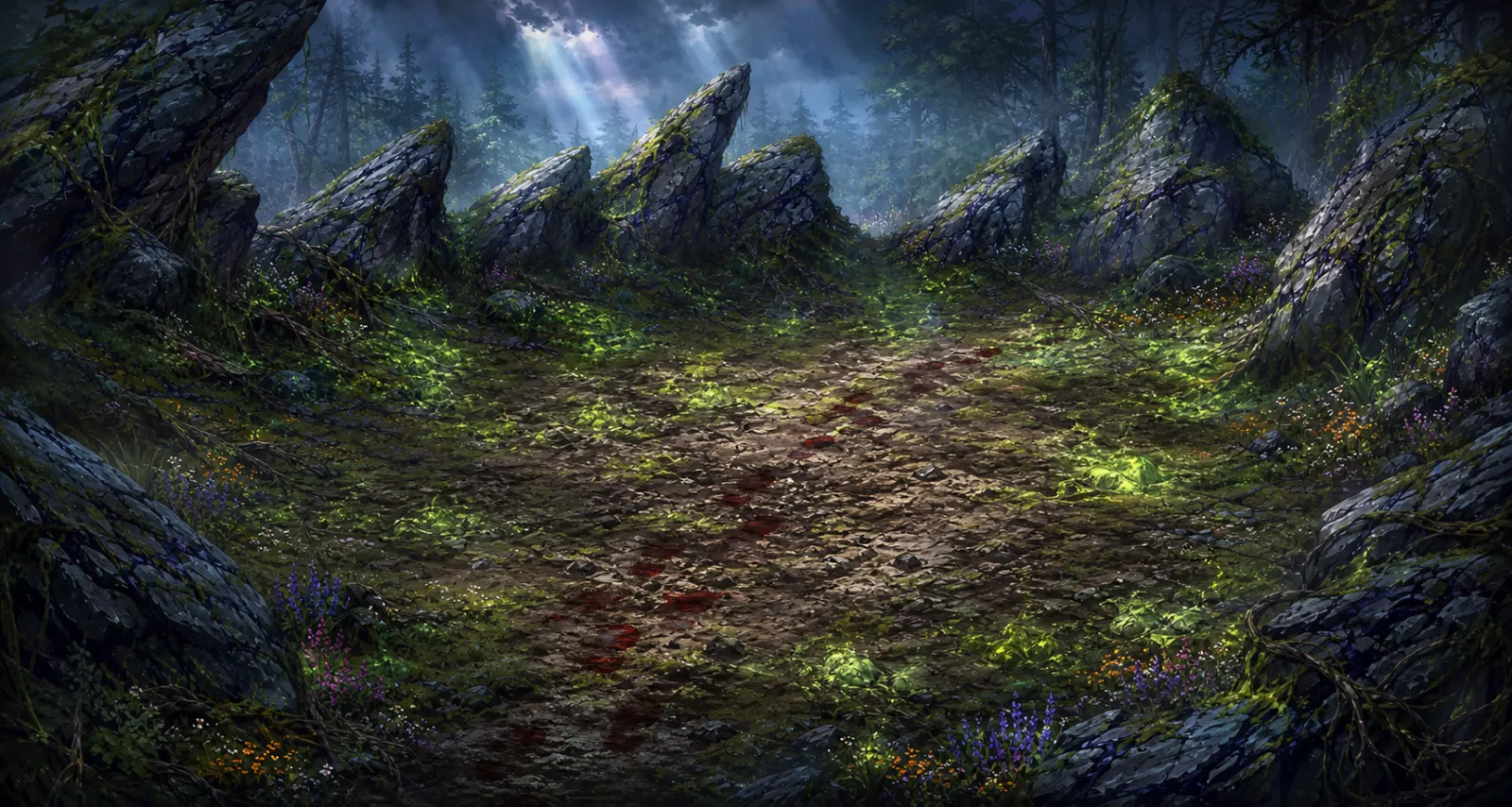
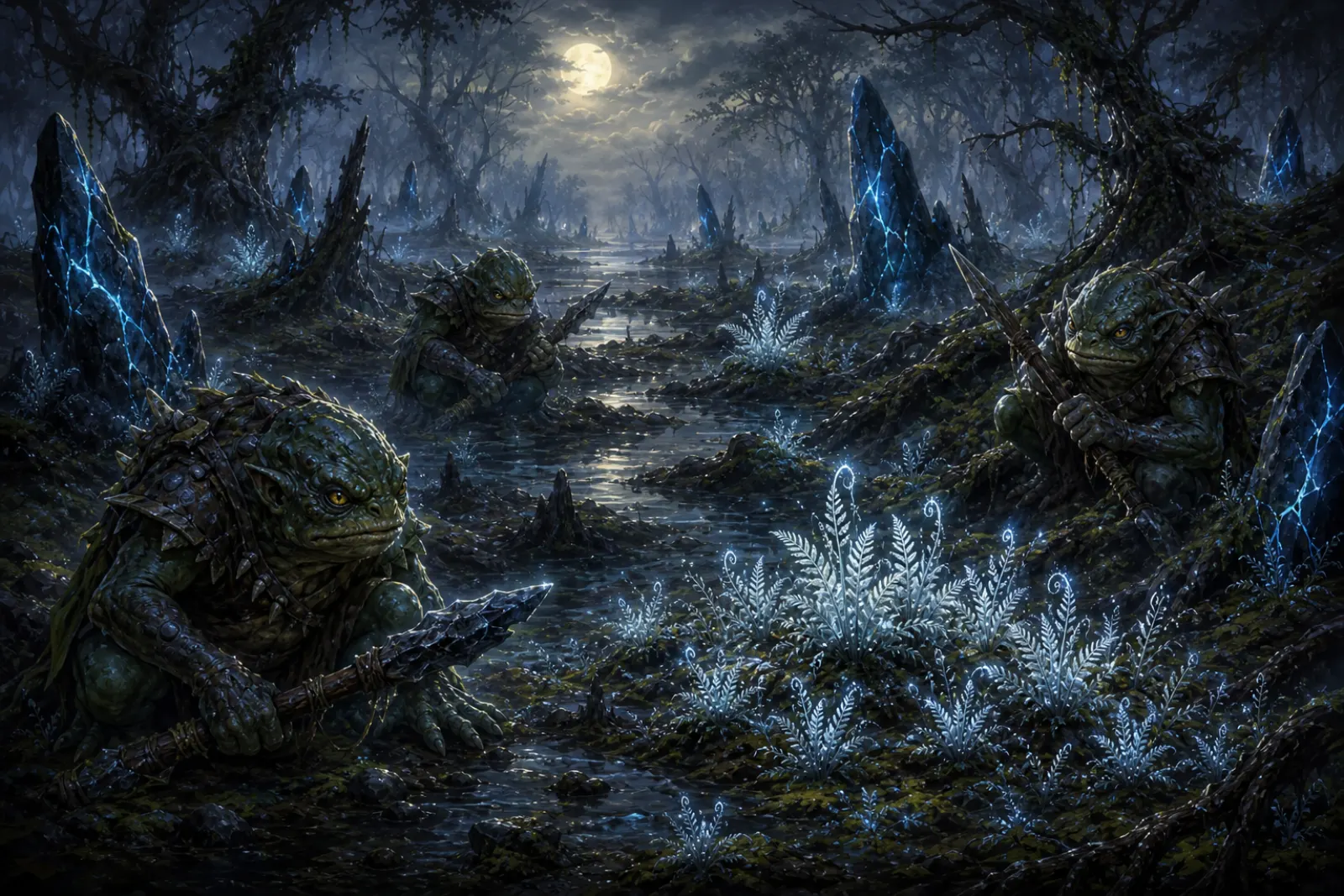 Moonlit ambush
Tome II · our own
The Bell of Birchgrove
Our own adventure, written for tomebldr in the spirit of the classic introductory modules — playable in the browser with narration in English and German, and printed as a gamebook you can leaf through.
- Sections
- 441
- Scene plates
- 332
- Classes
- 7
- Narration
- 8.5 h
- Print pages
- 101
- Languages
- EN · DE
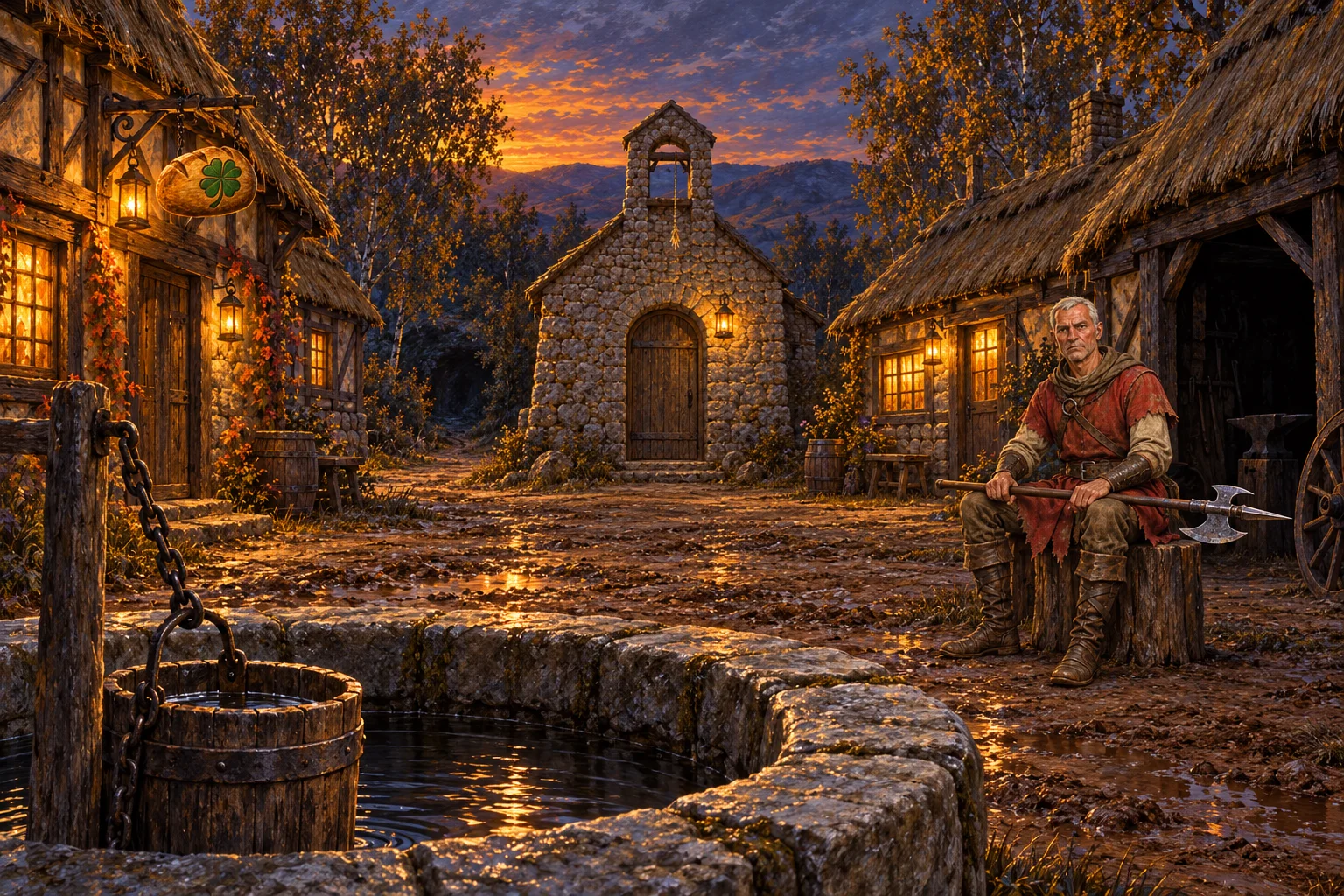 The village square
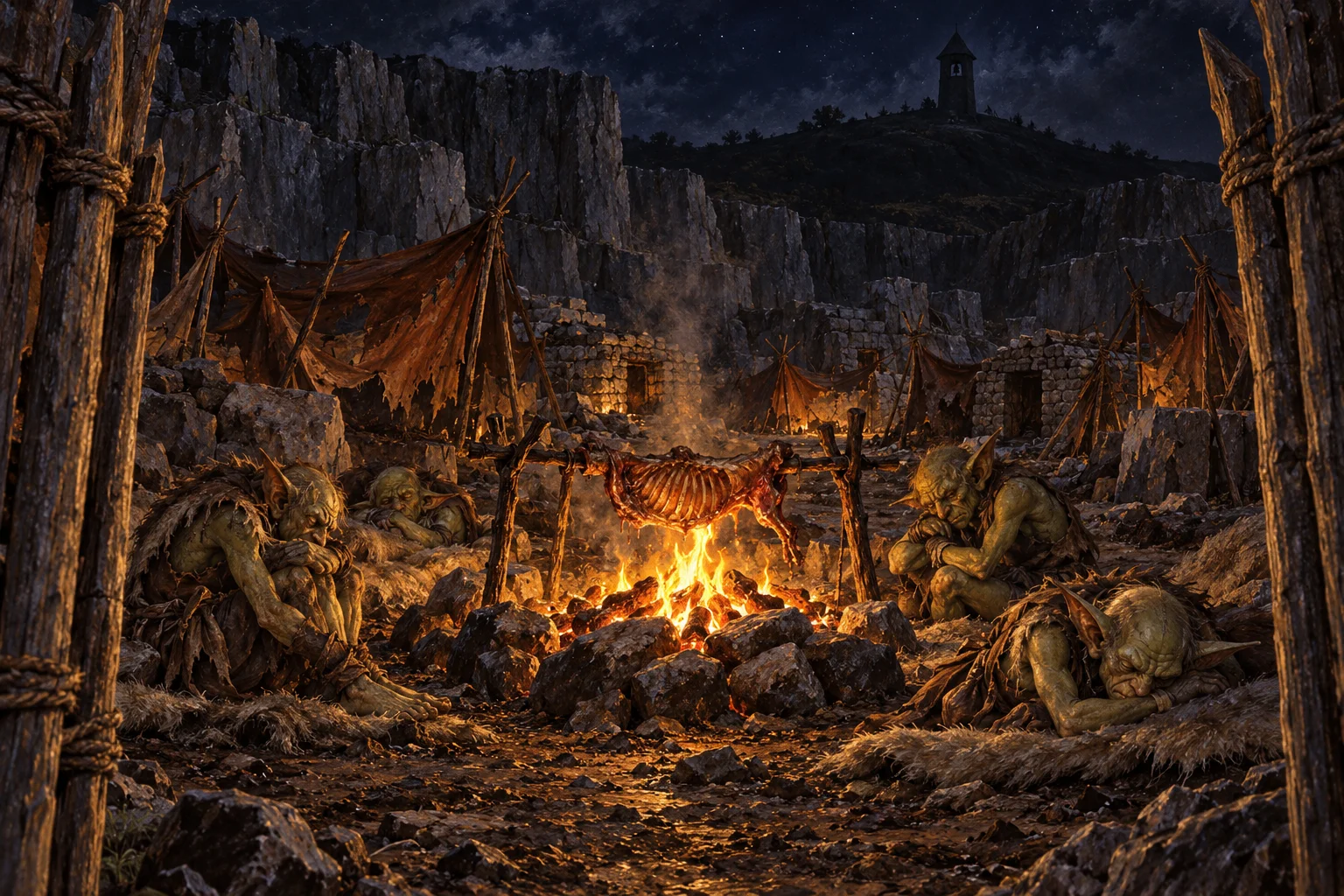 The goblin camp
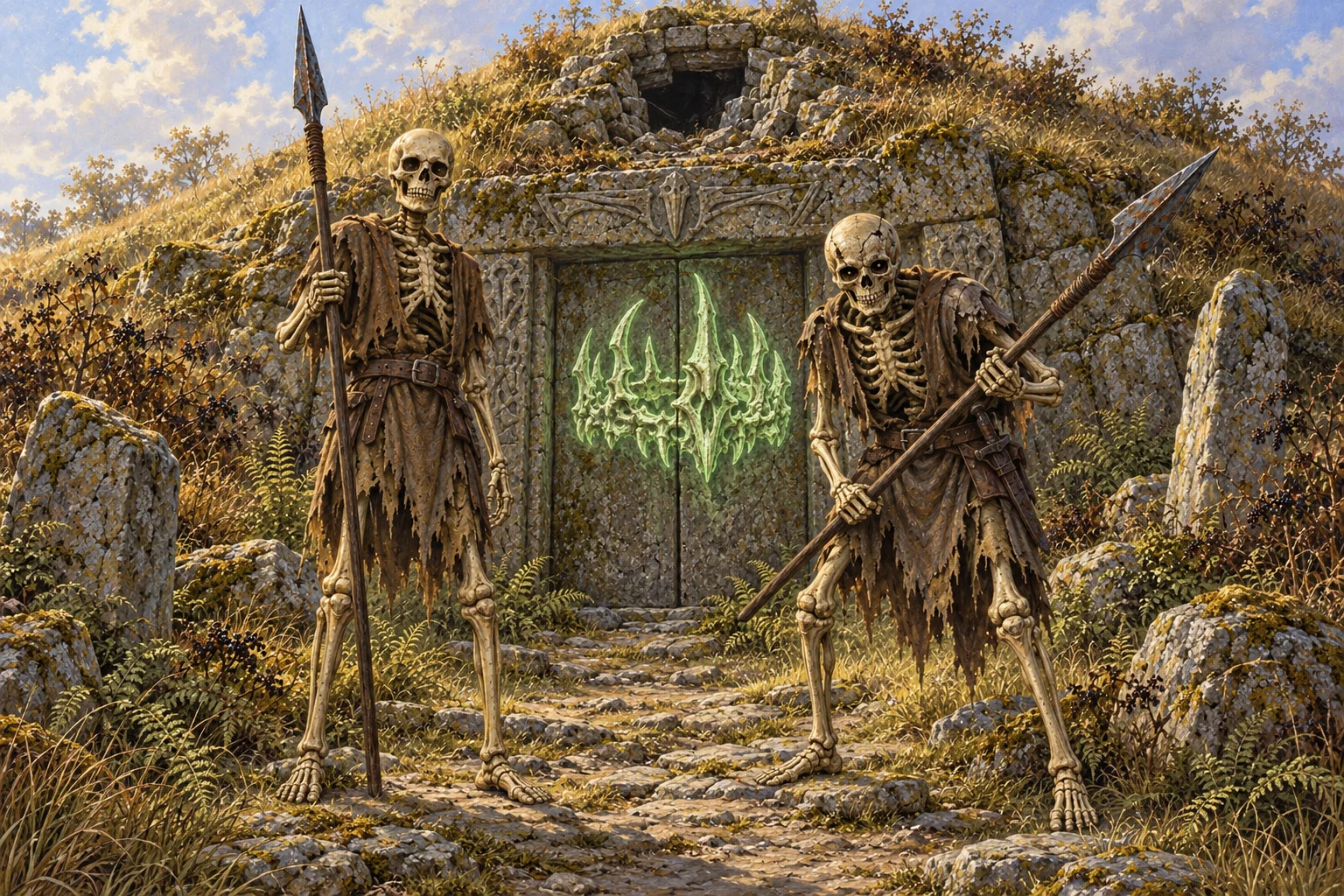 The barrow gate
Gallery
More from the first tome
Further plates from that first run — scenes the pipeline made for the path, not a portfolio. Many more to come.
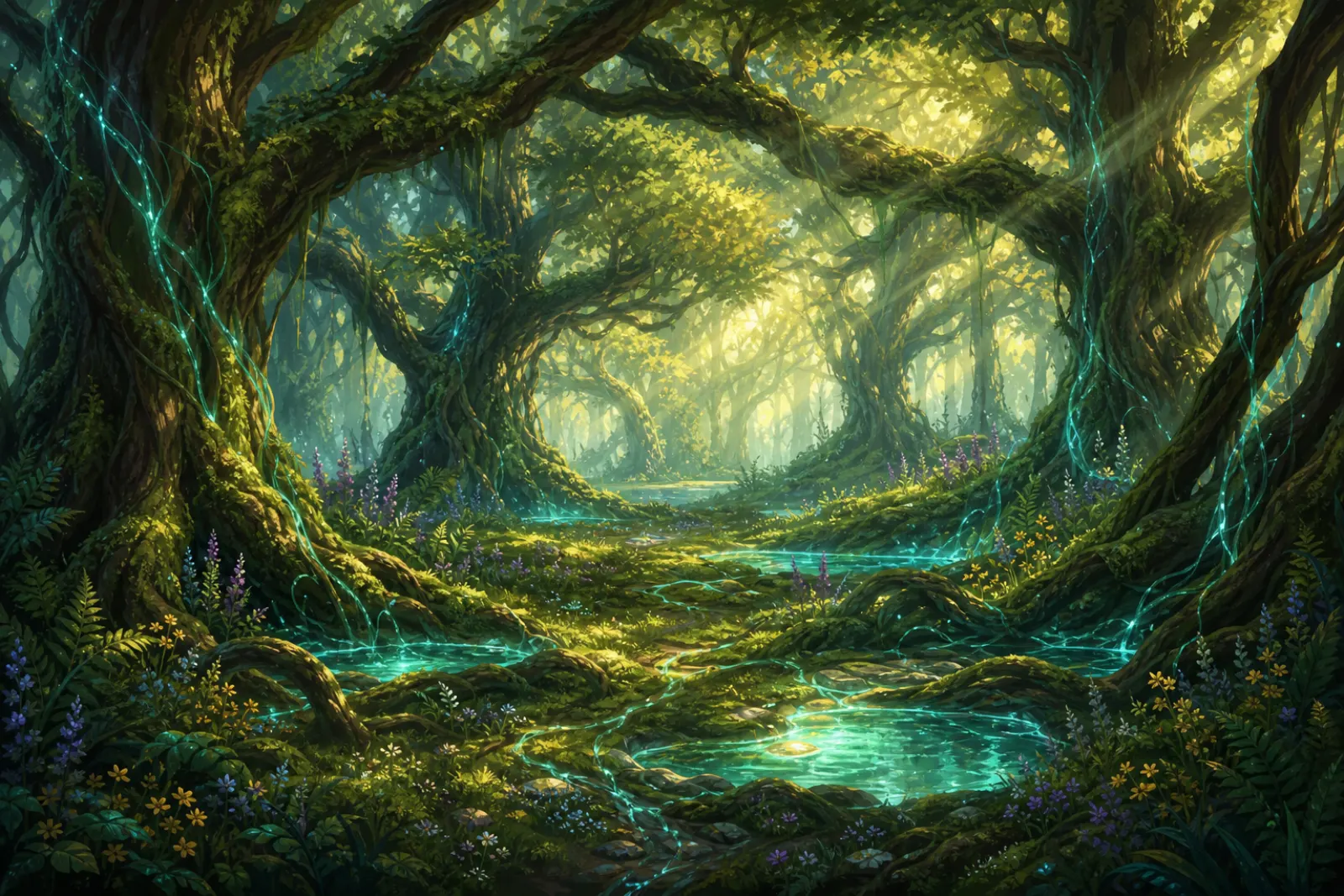
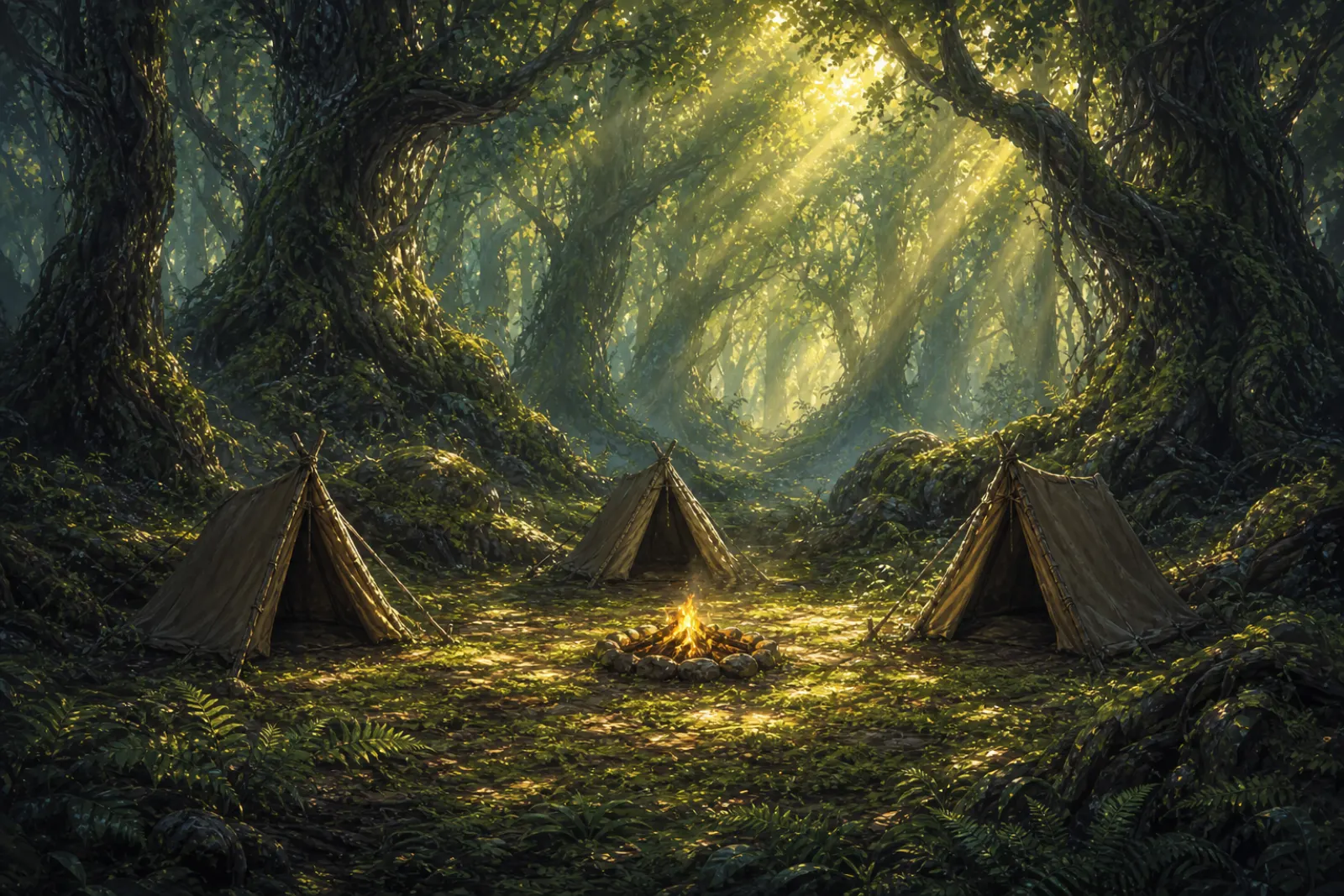 Dawn camp
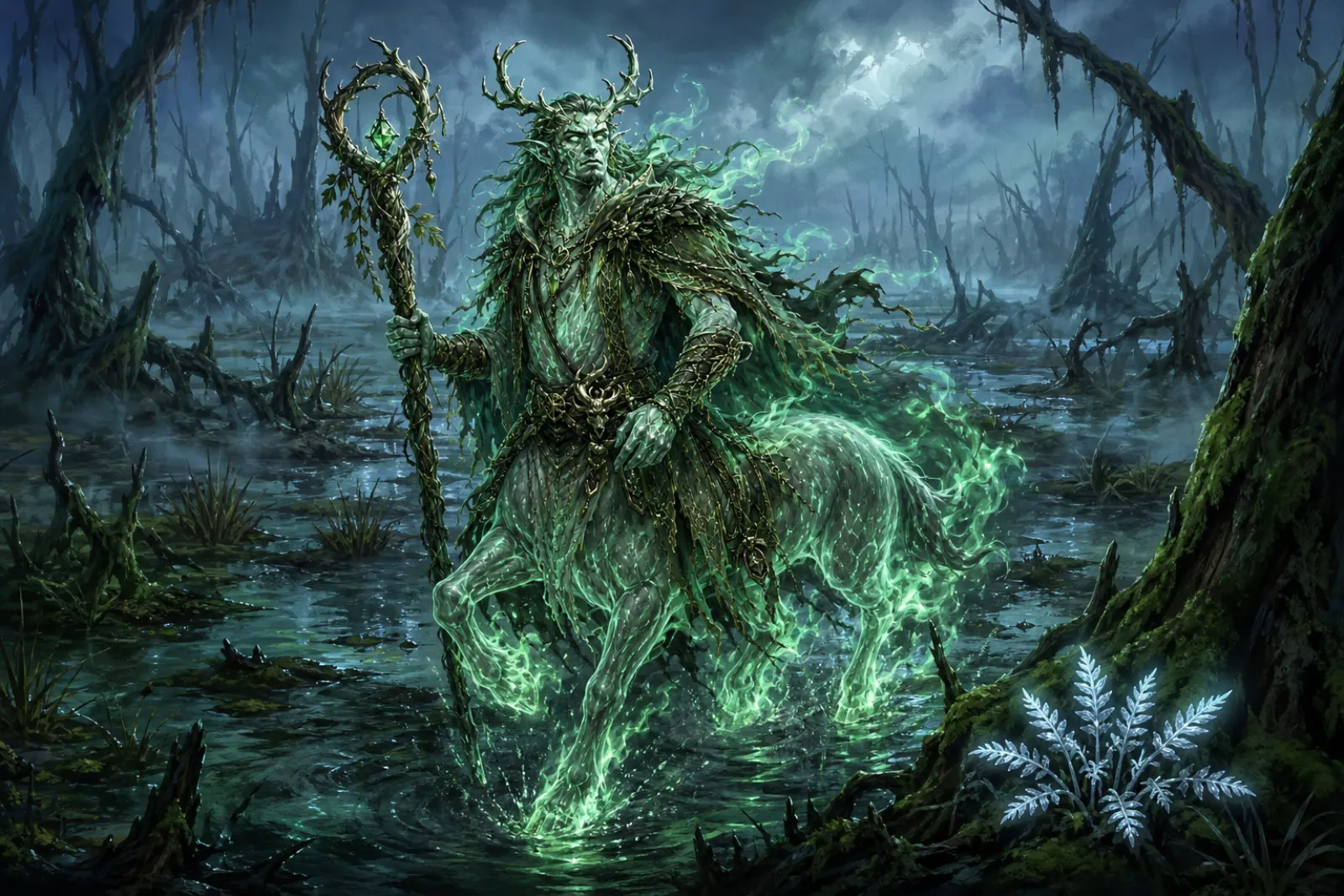 The charging spectre
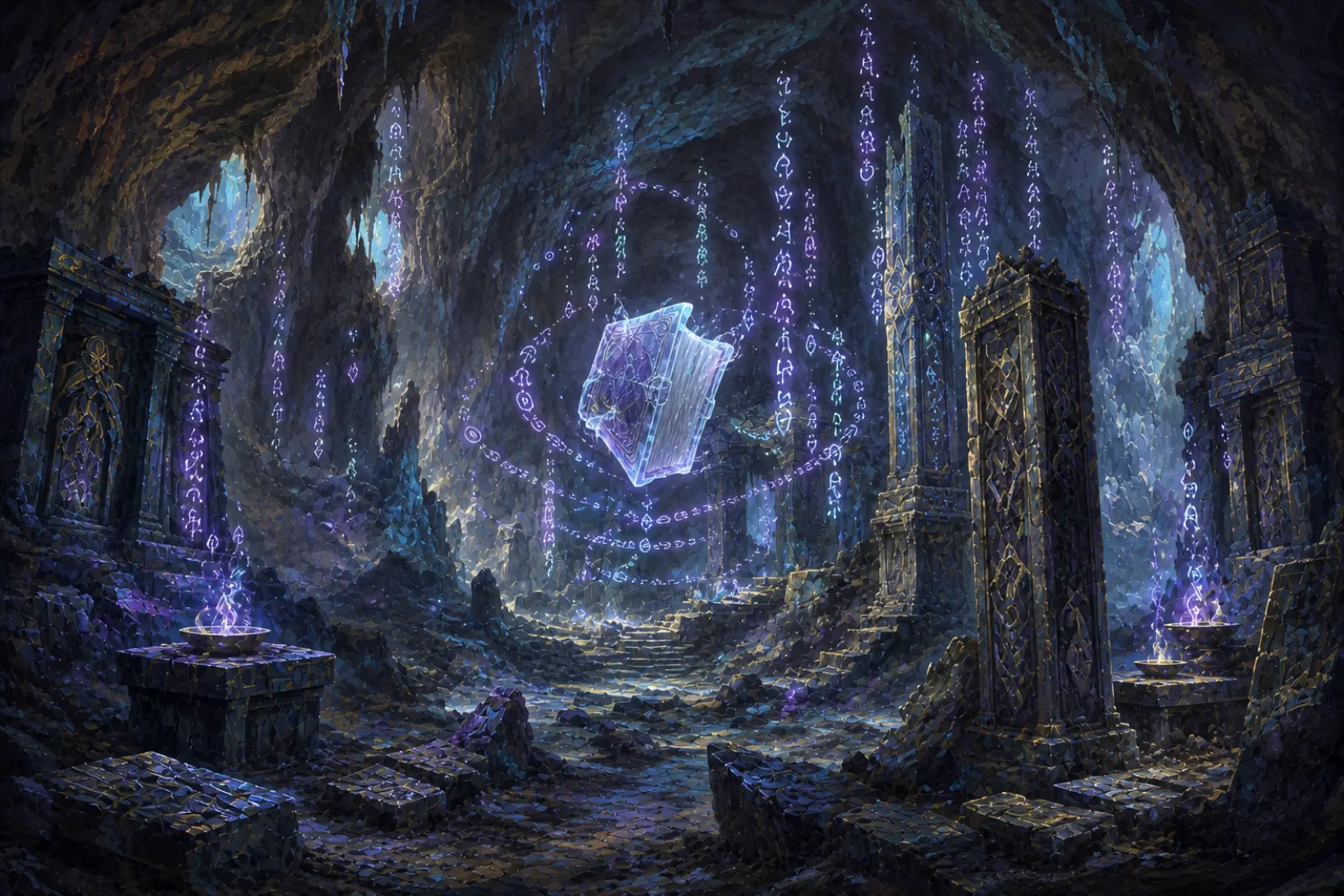
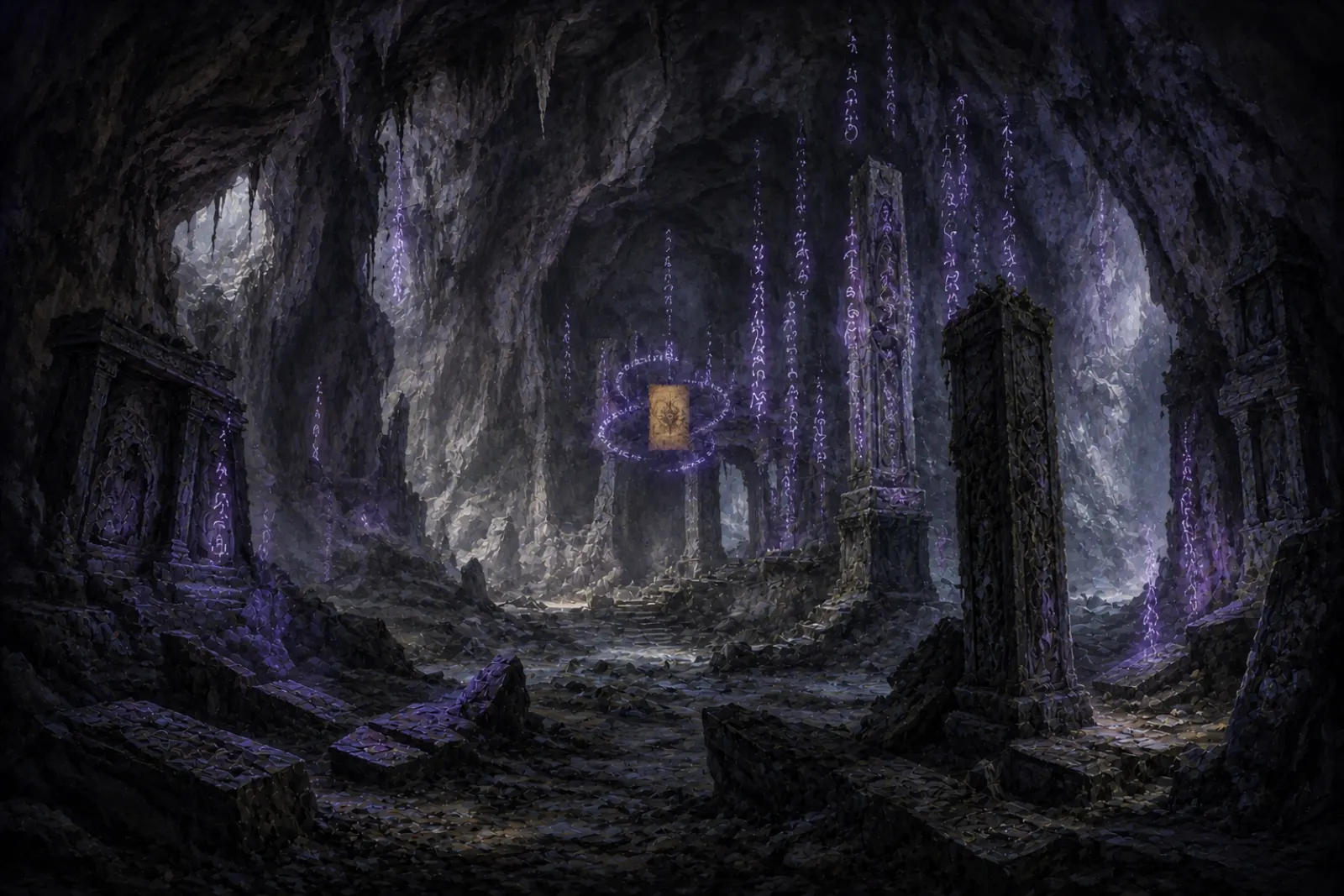 The orbiting page
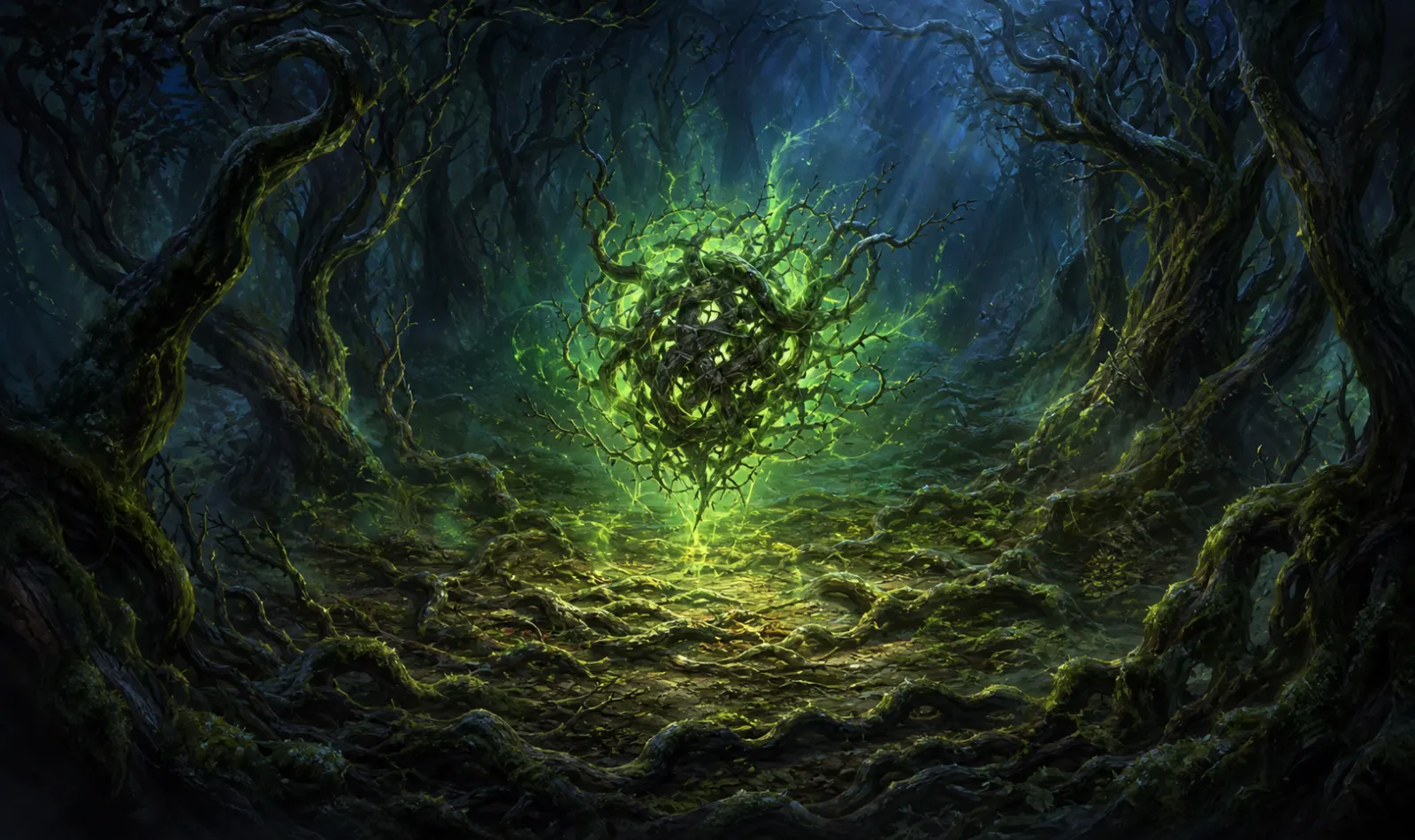 Knot of corruption
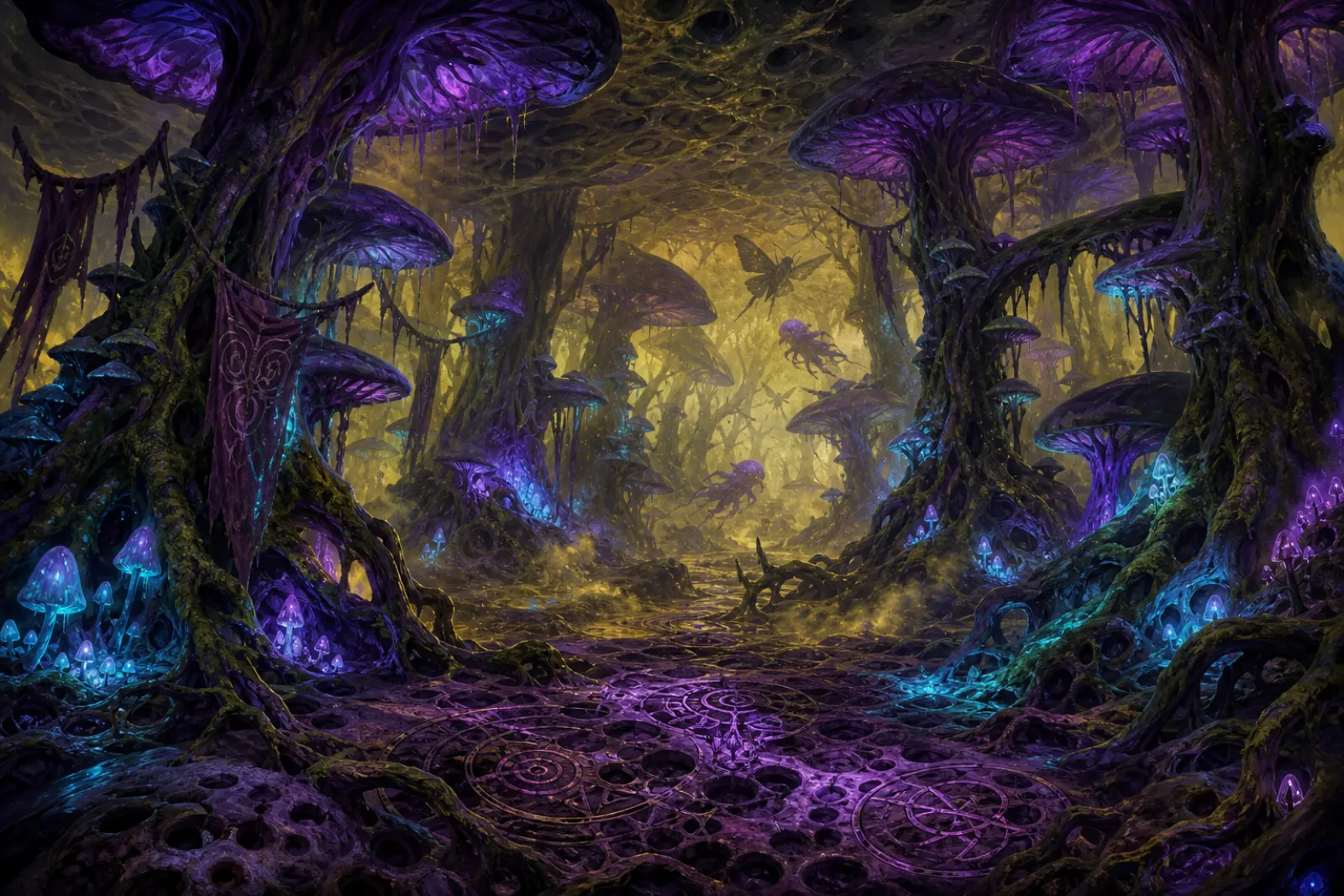 Hallucinatory canopy
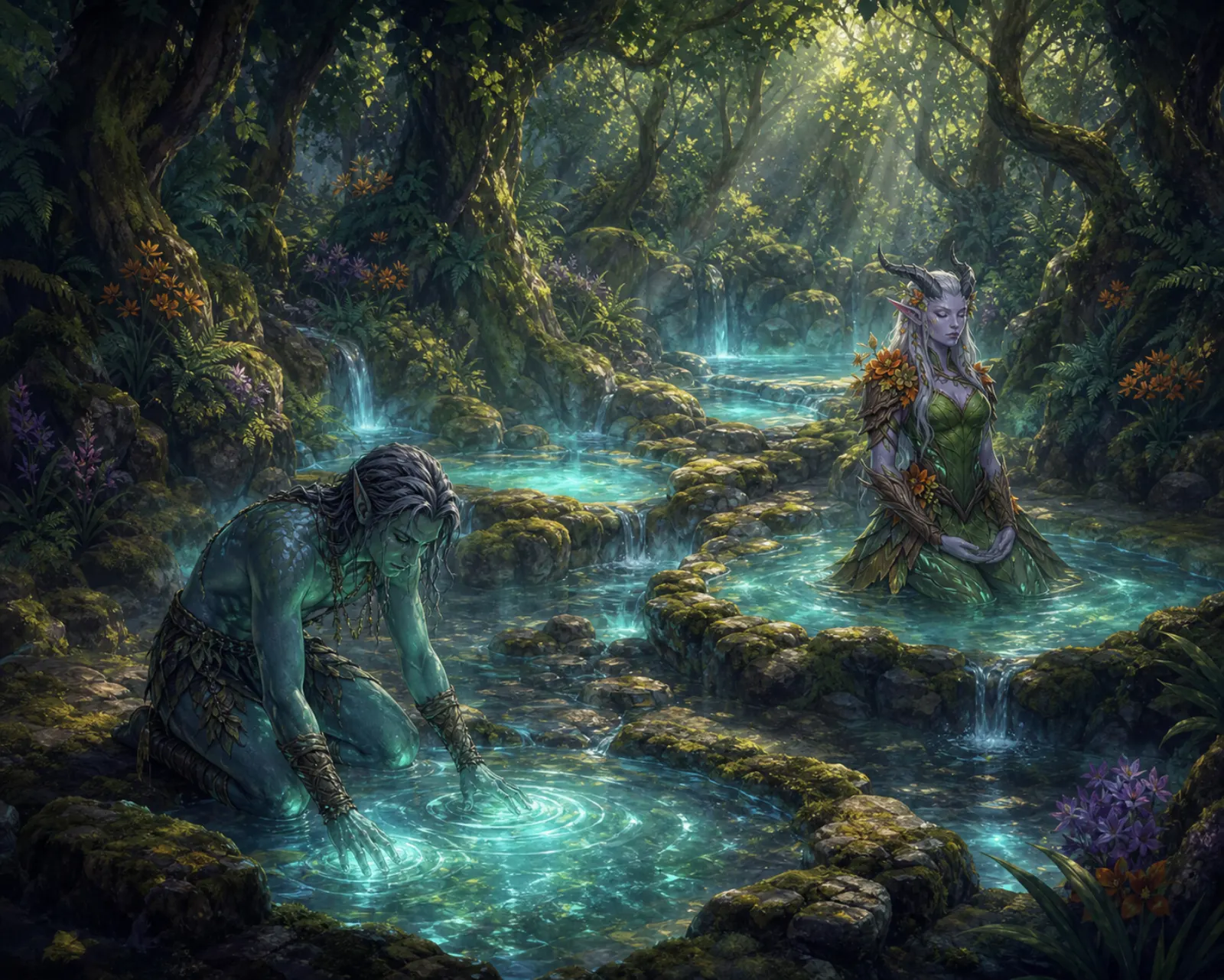 Healing pools
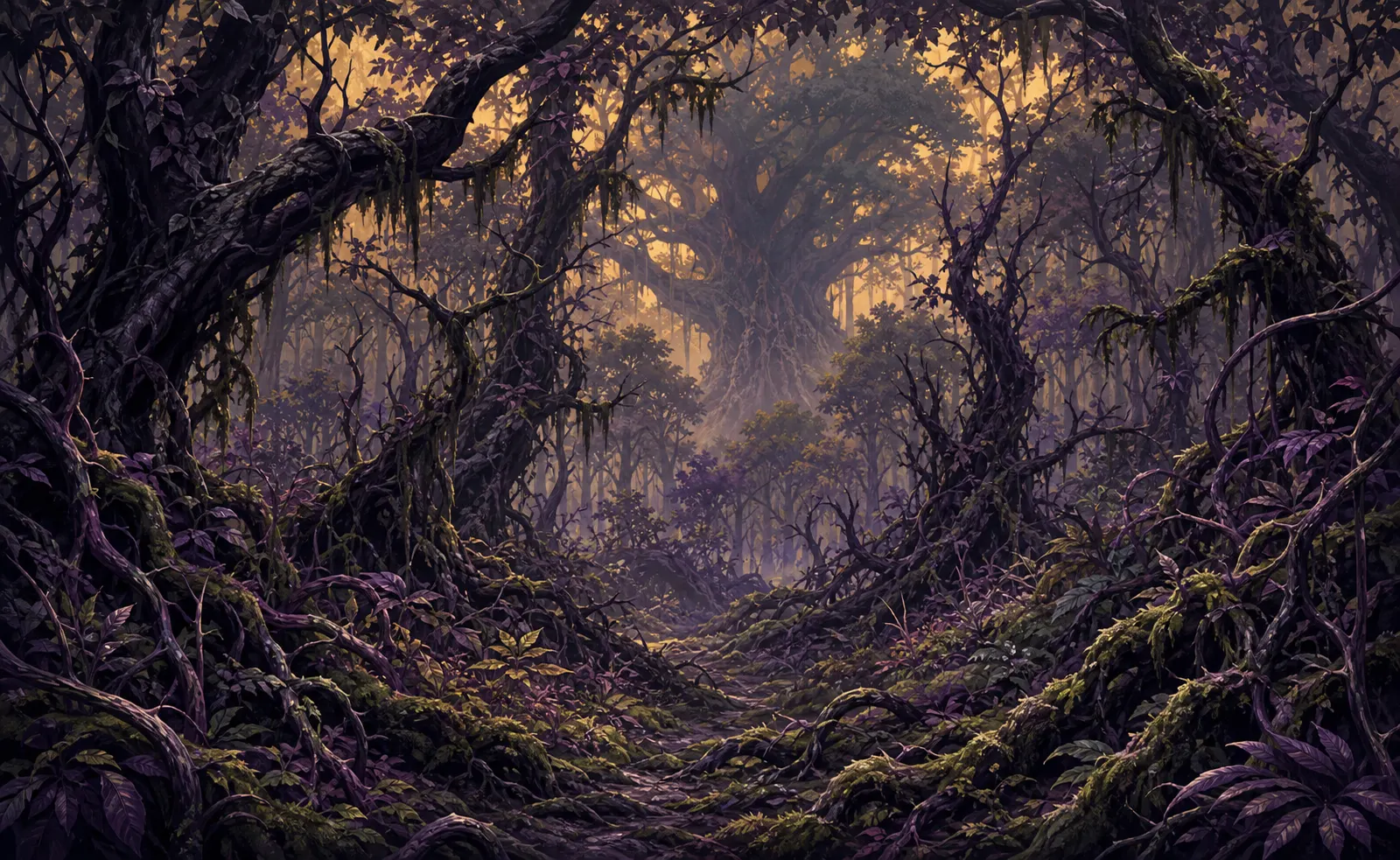 The blackened thicket
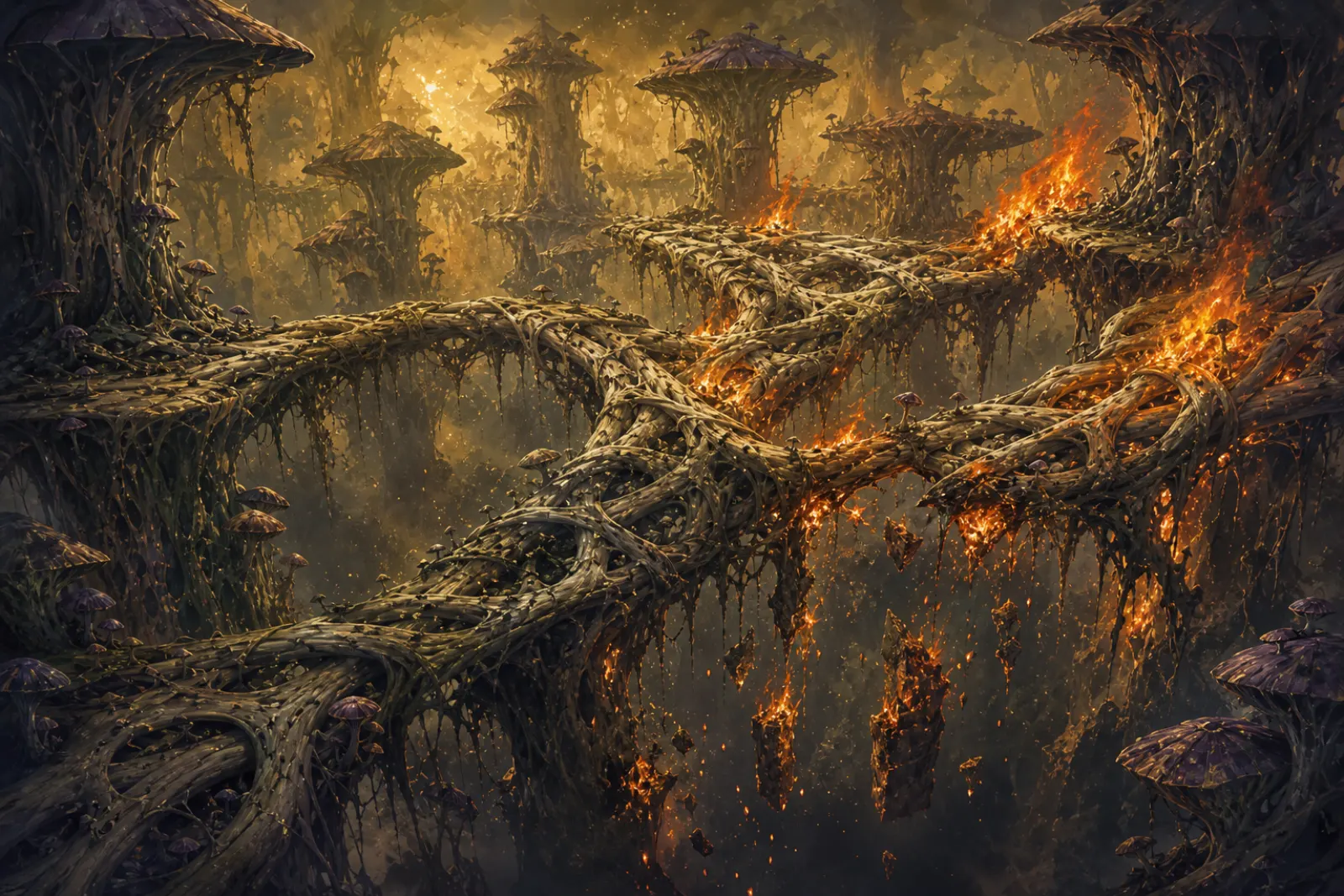 The burning lattice
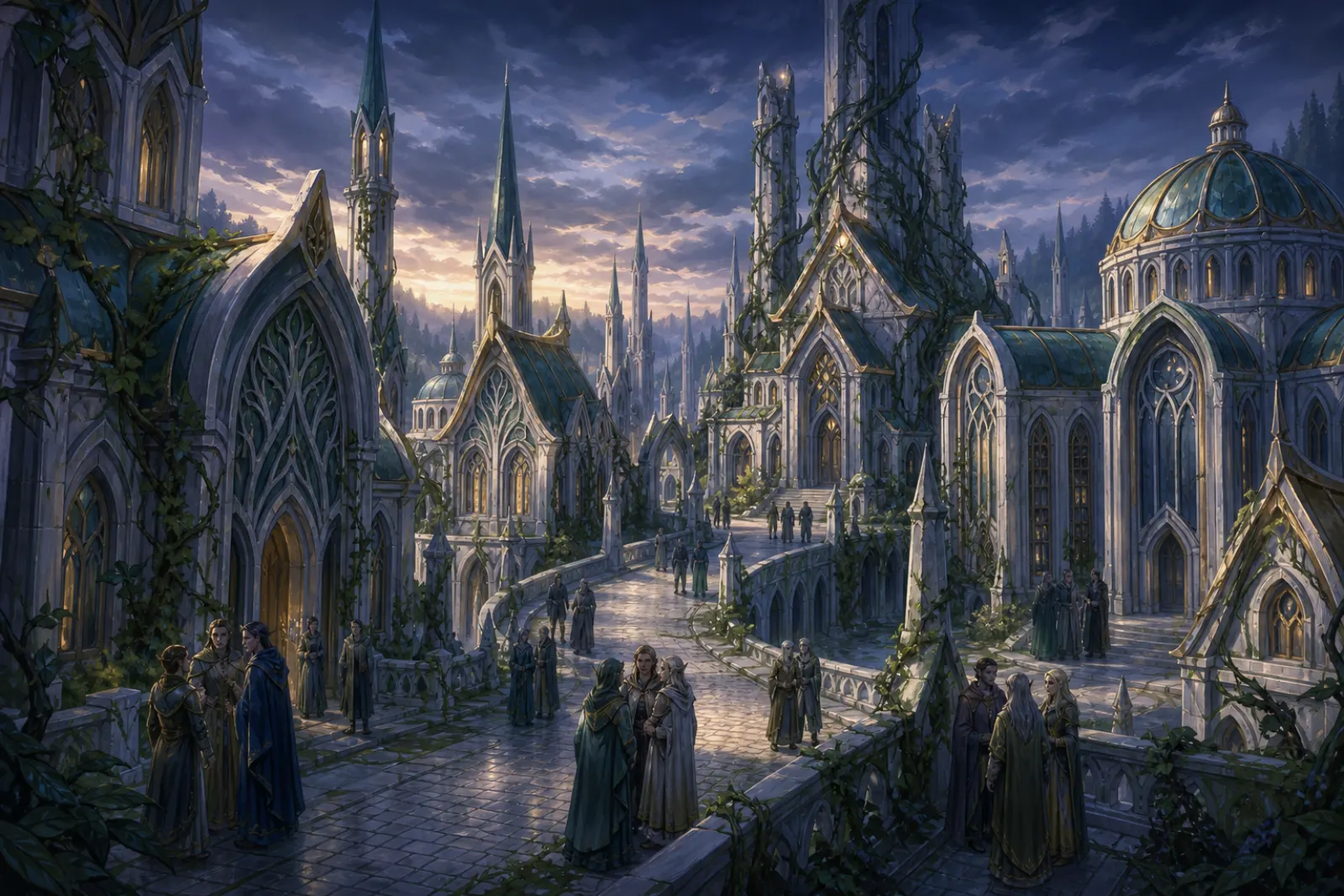 Twilight streets
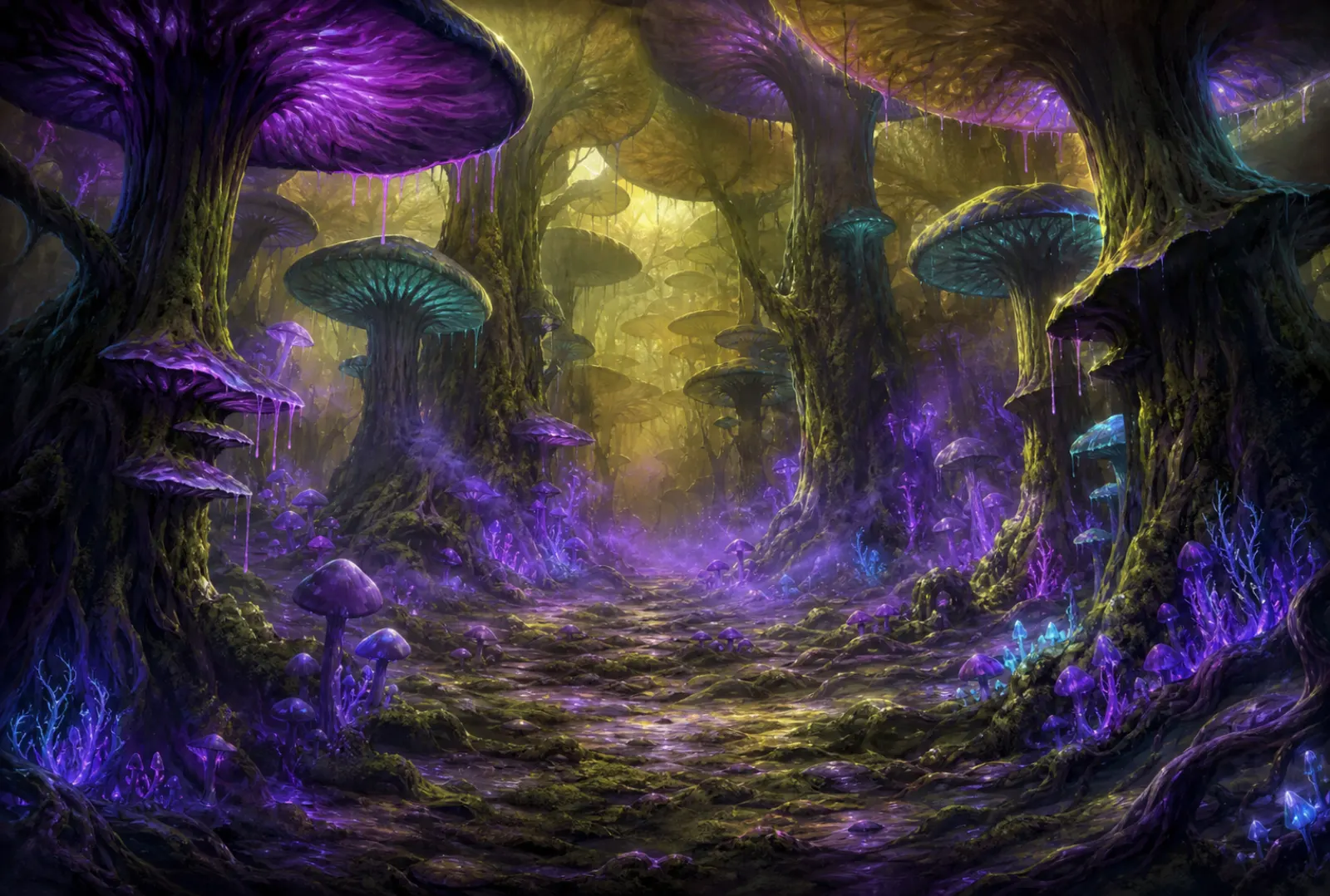 Spore fog
 Mana-stone bog
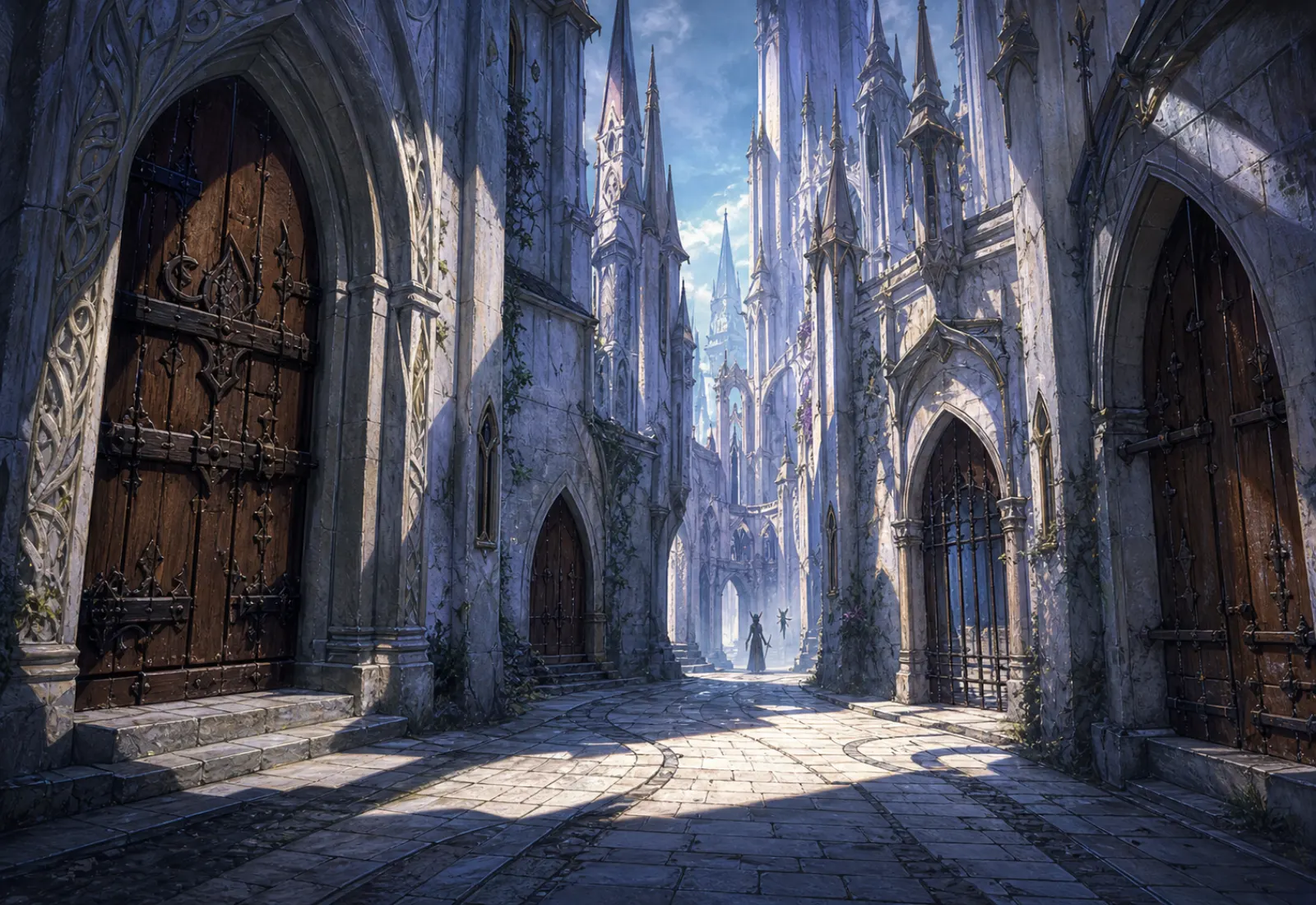 Locked streets
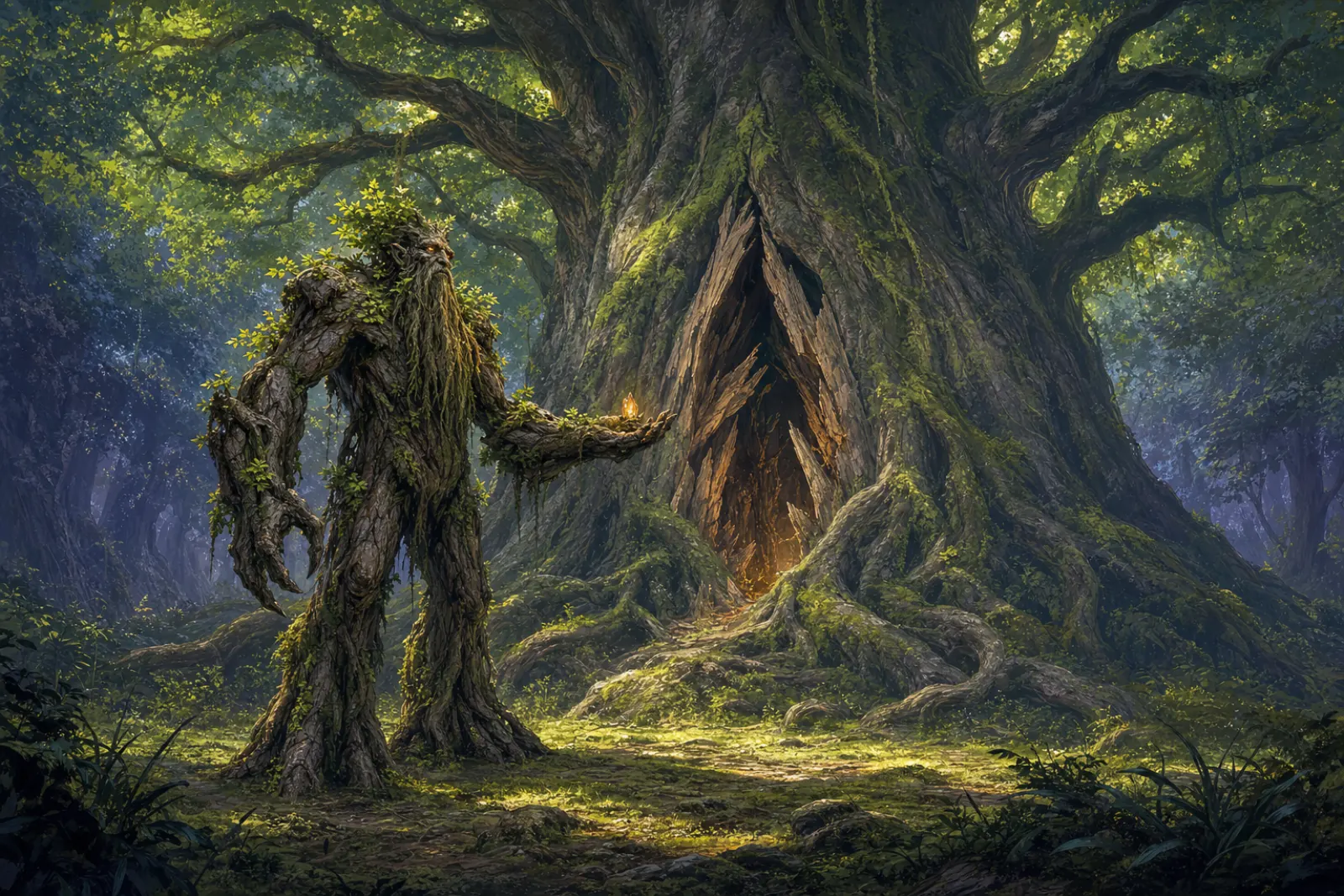 The treant’s offering
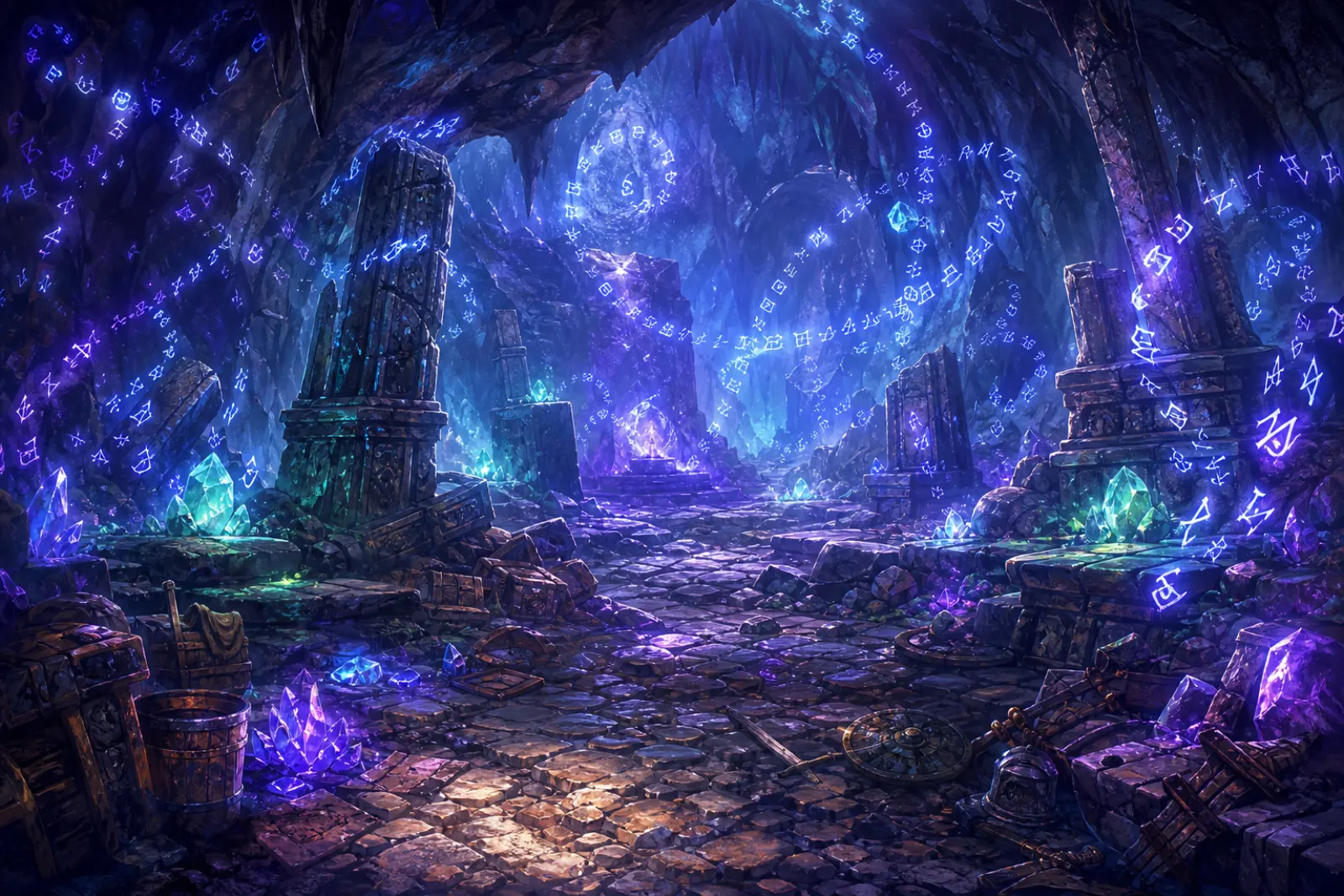 Letters in the ruin
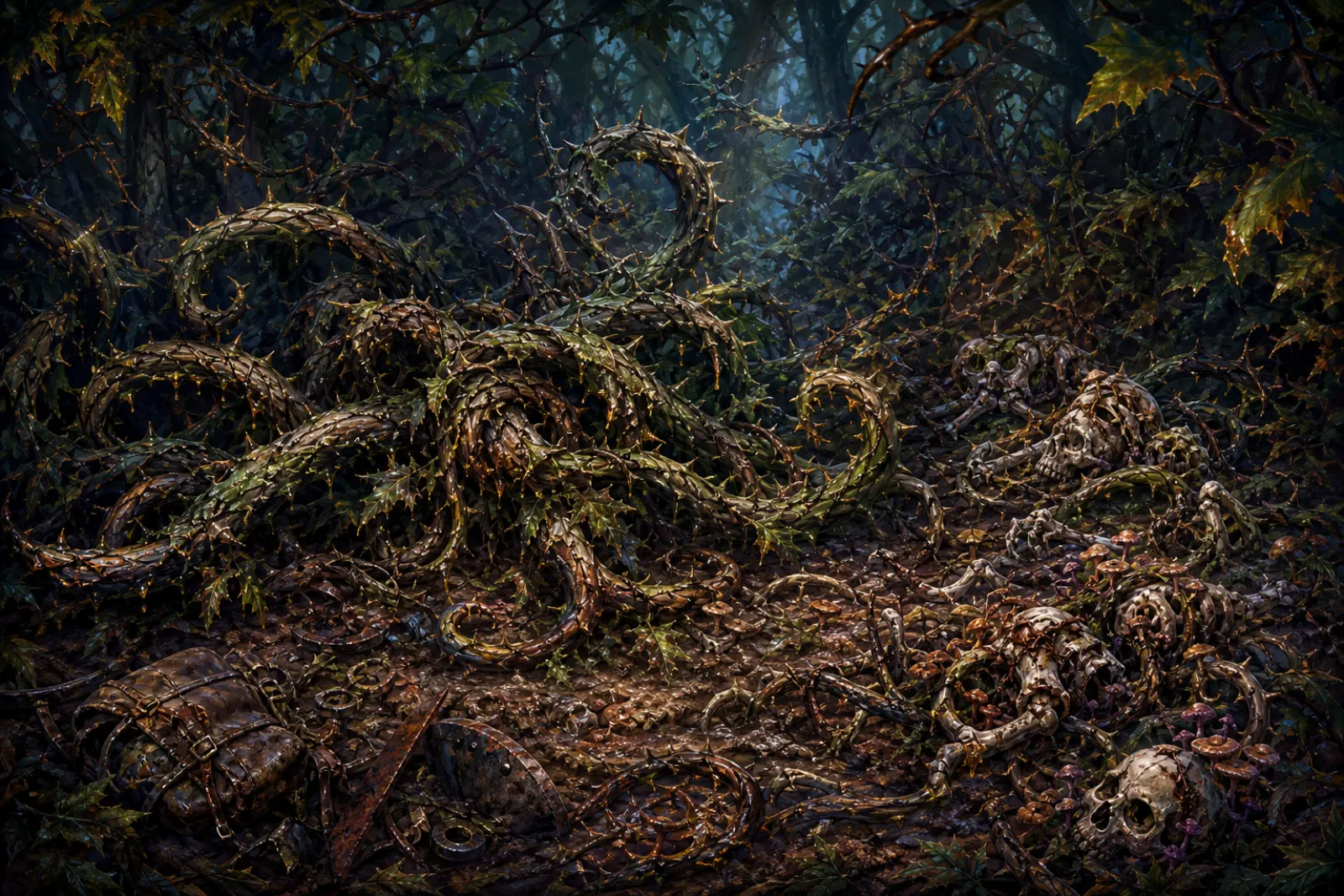 The fallen thicket
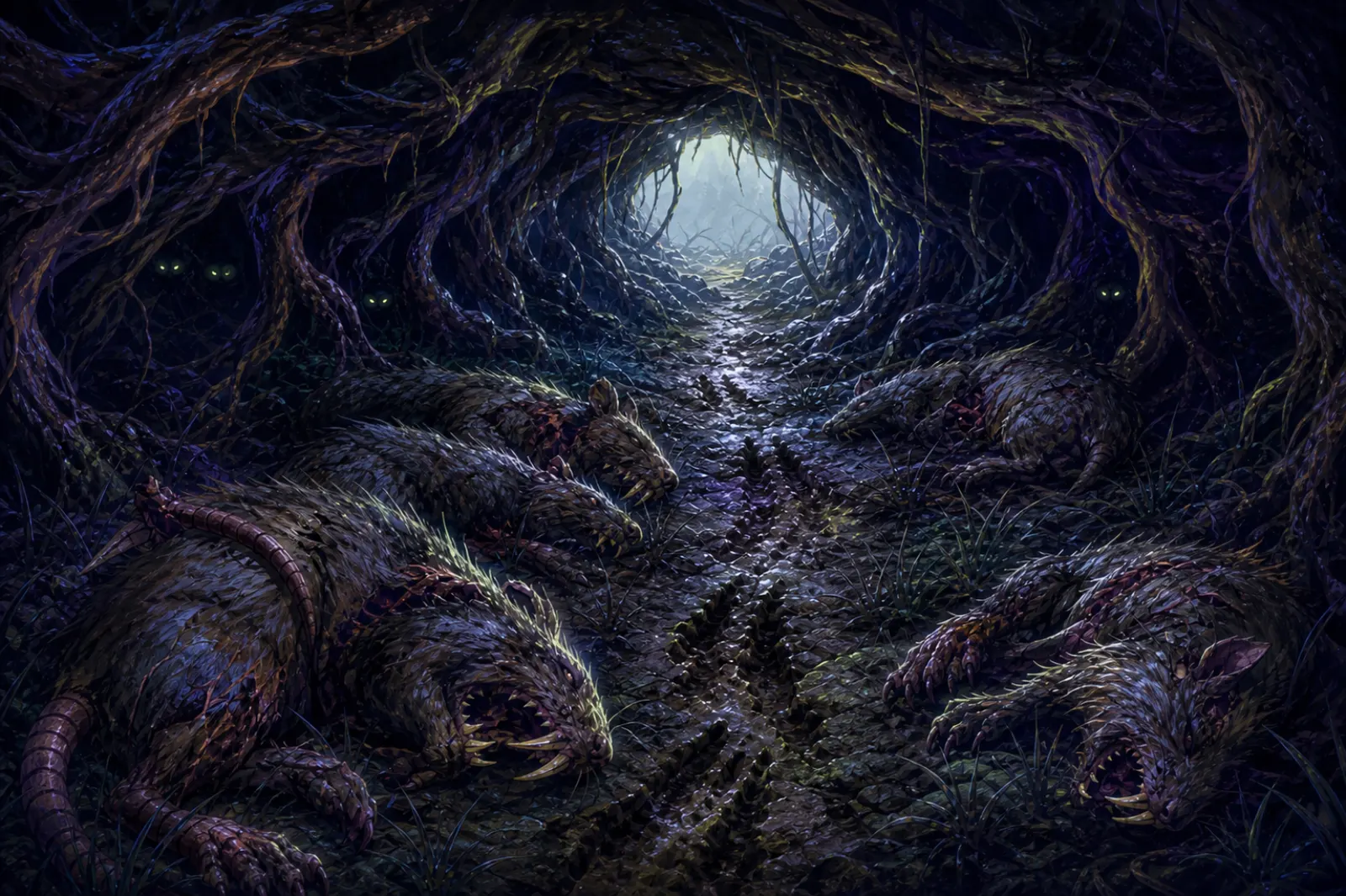 Dire rats’ hollow
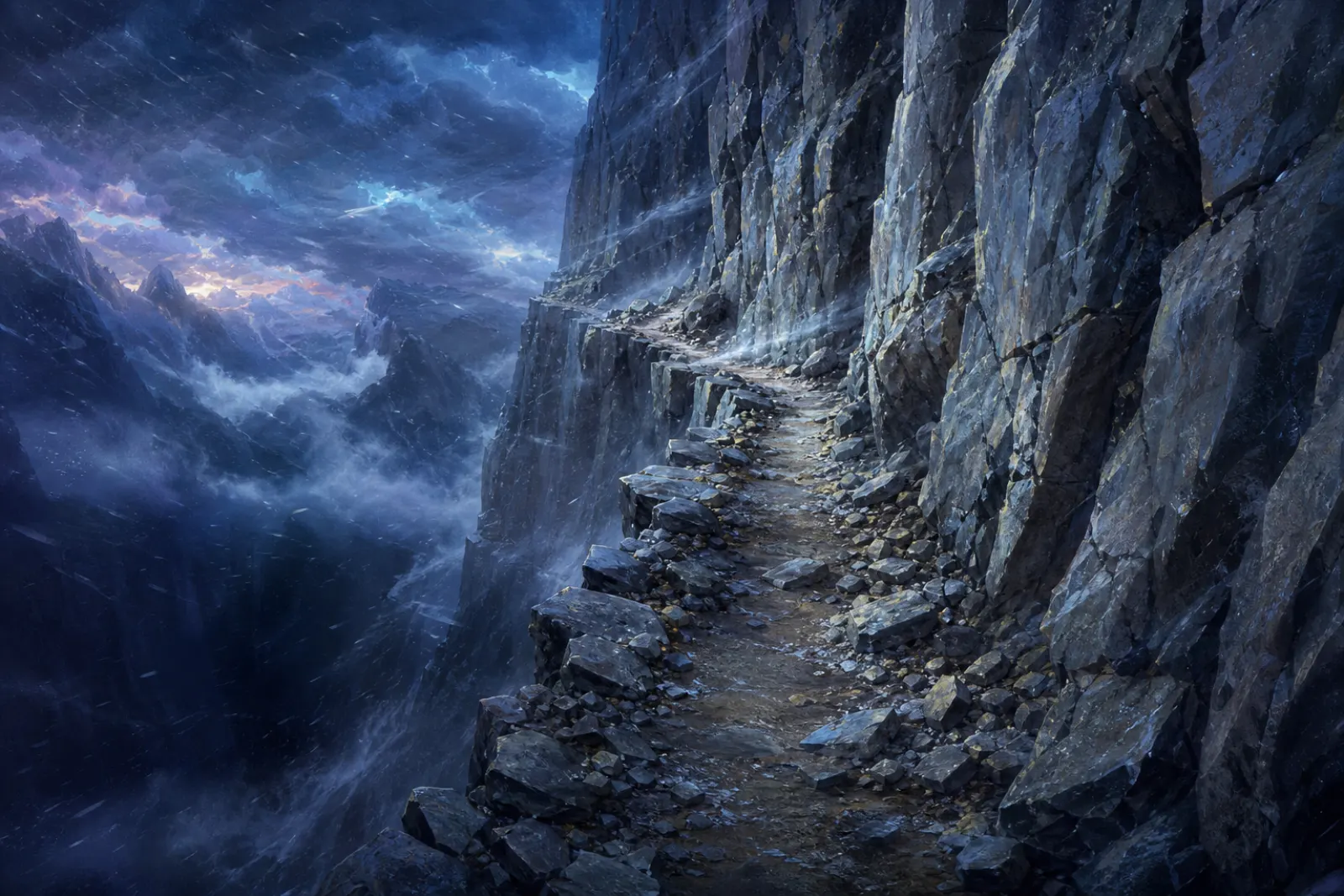 Ridge above the abyss
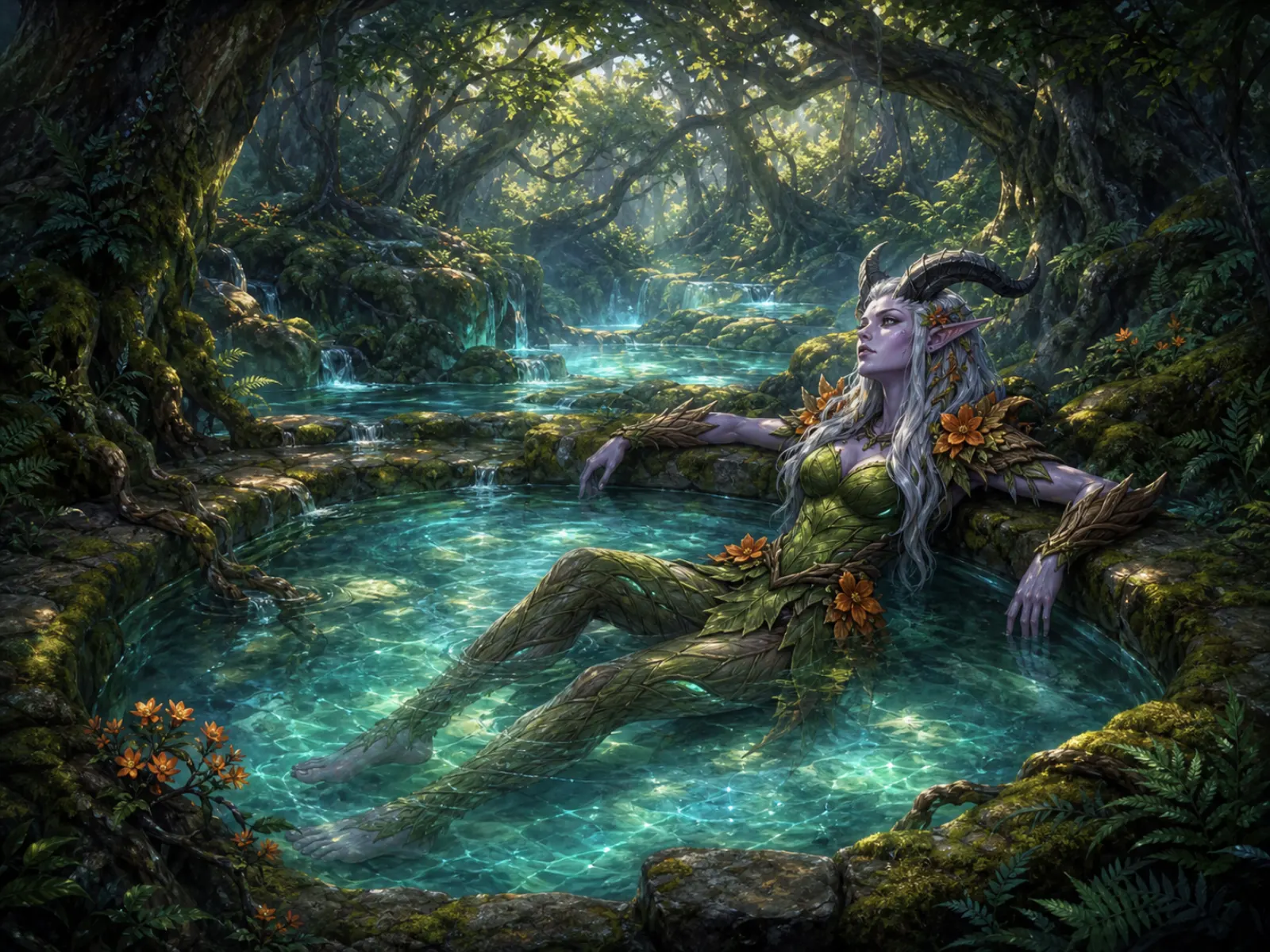 At the crystal pool
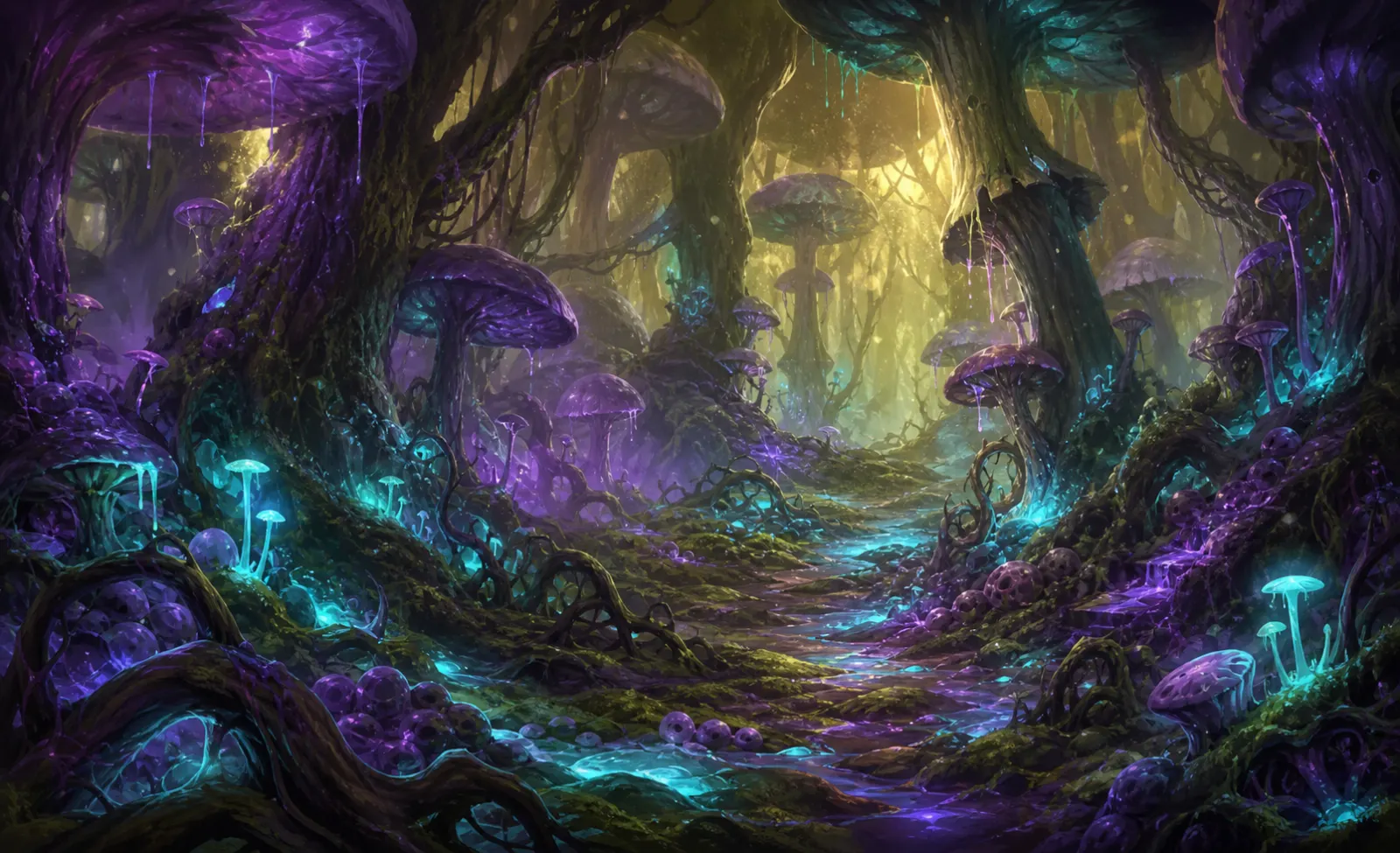 The fungal maze
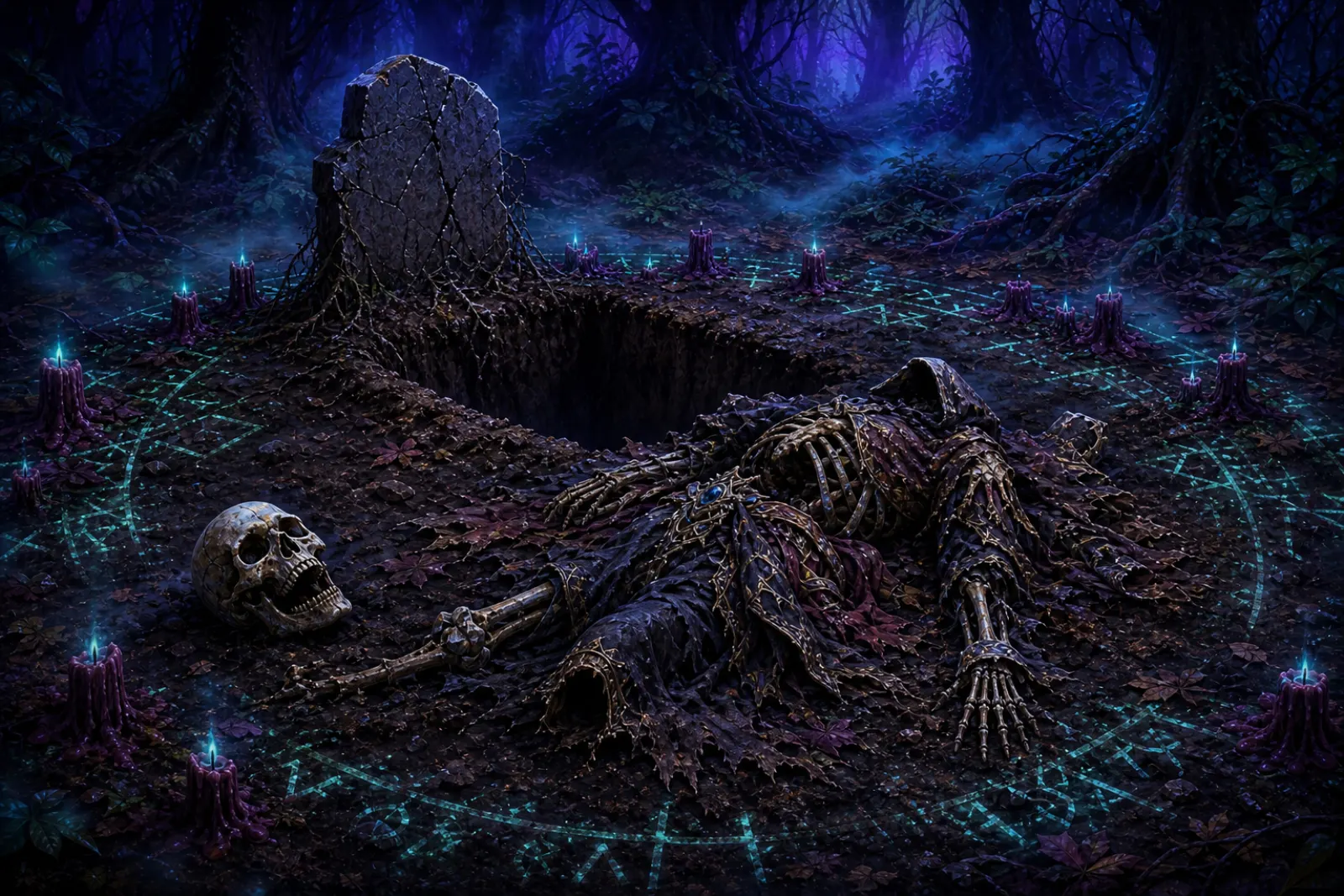 The ritual grave
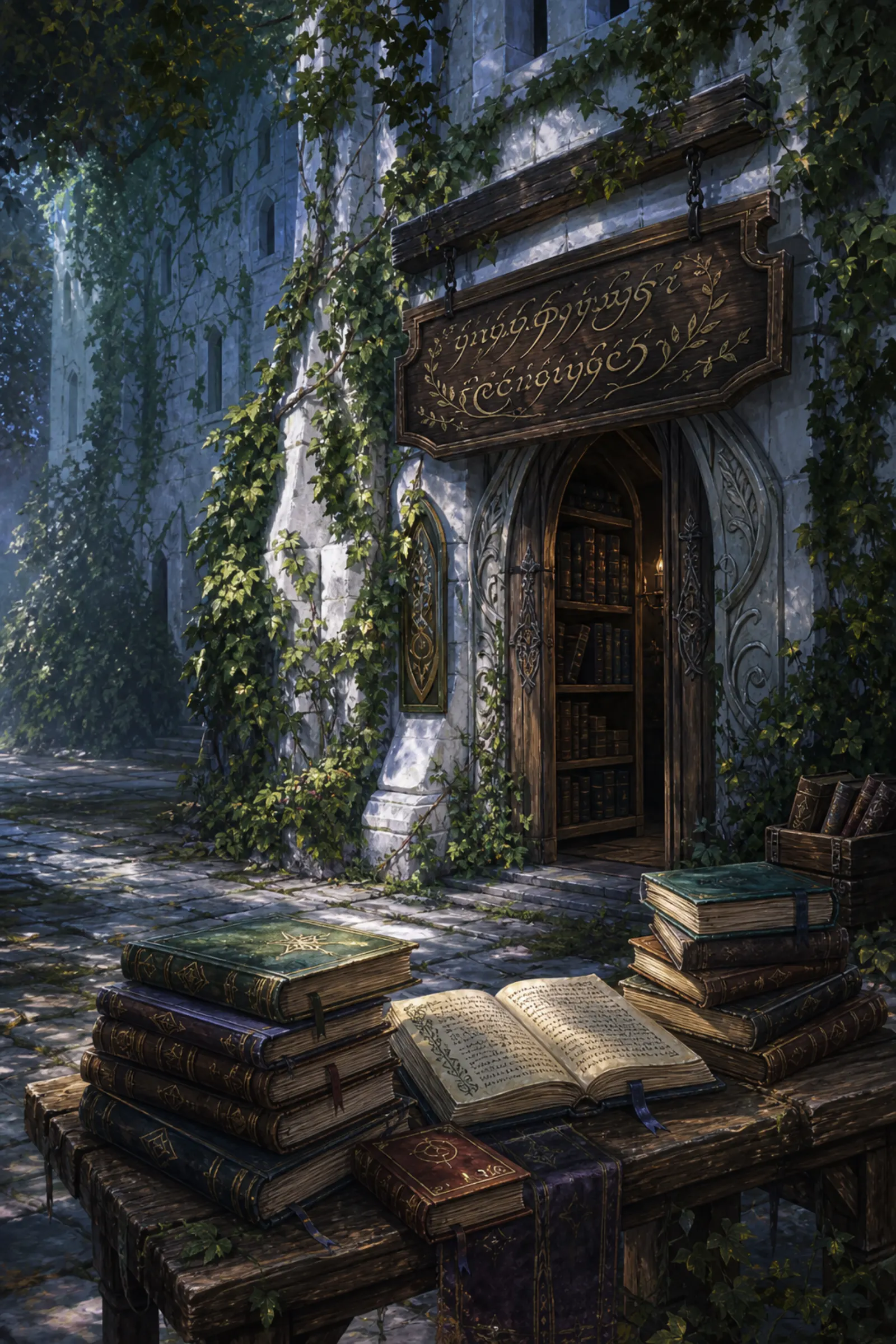 The vine-draped shop
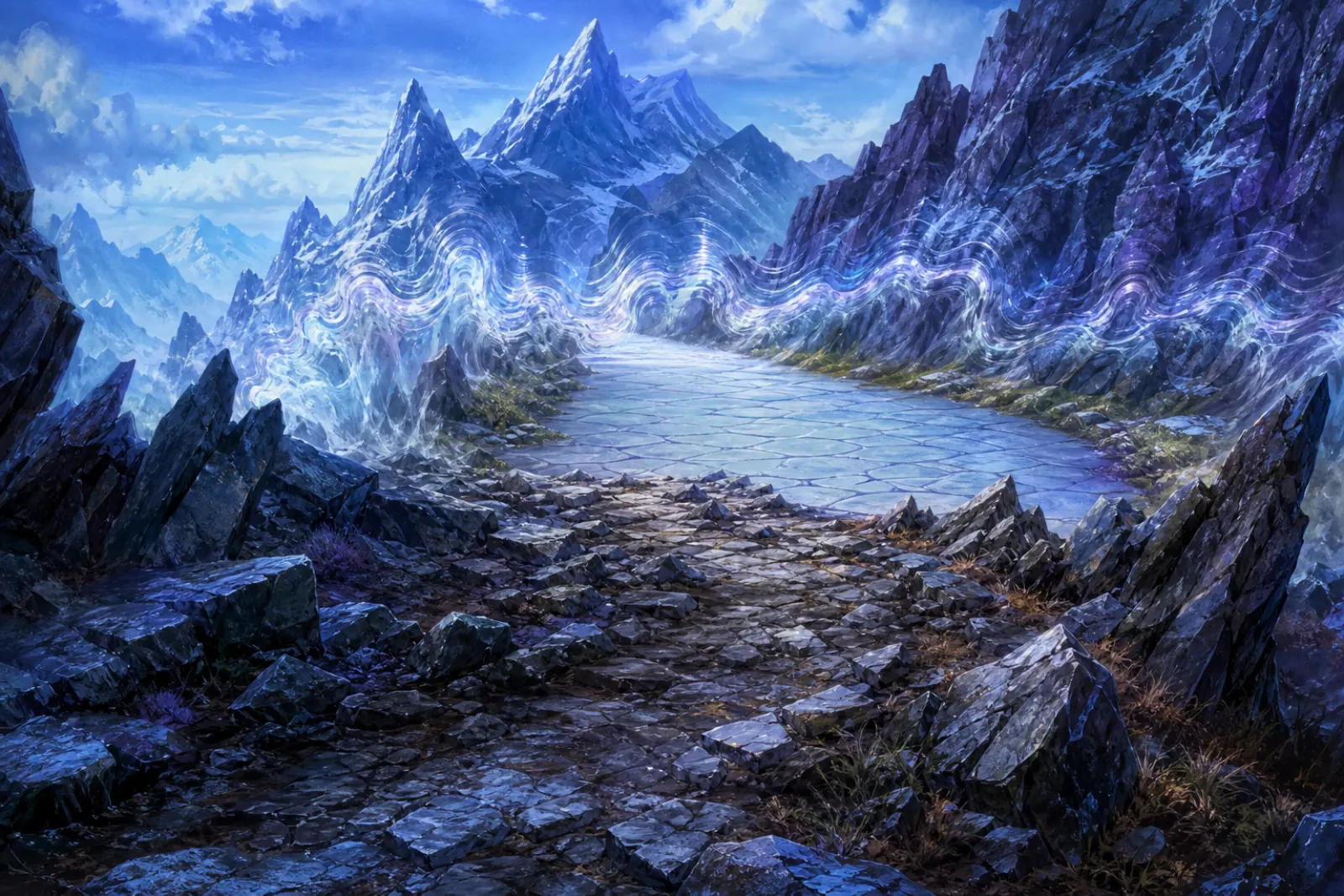 The heat-wave threshold
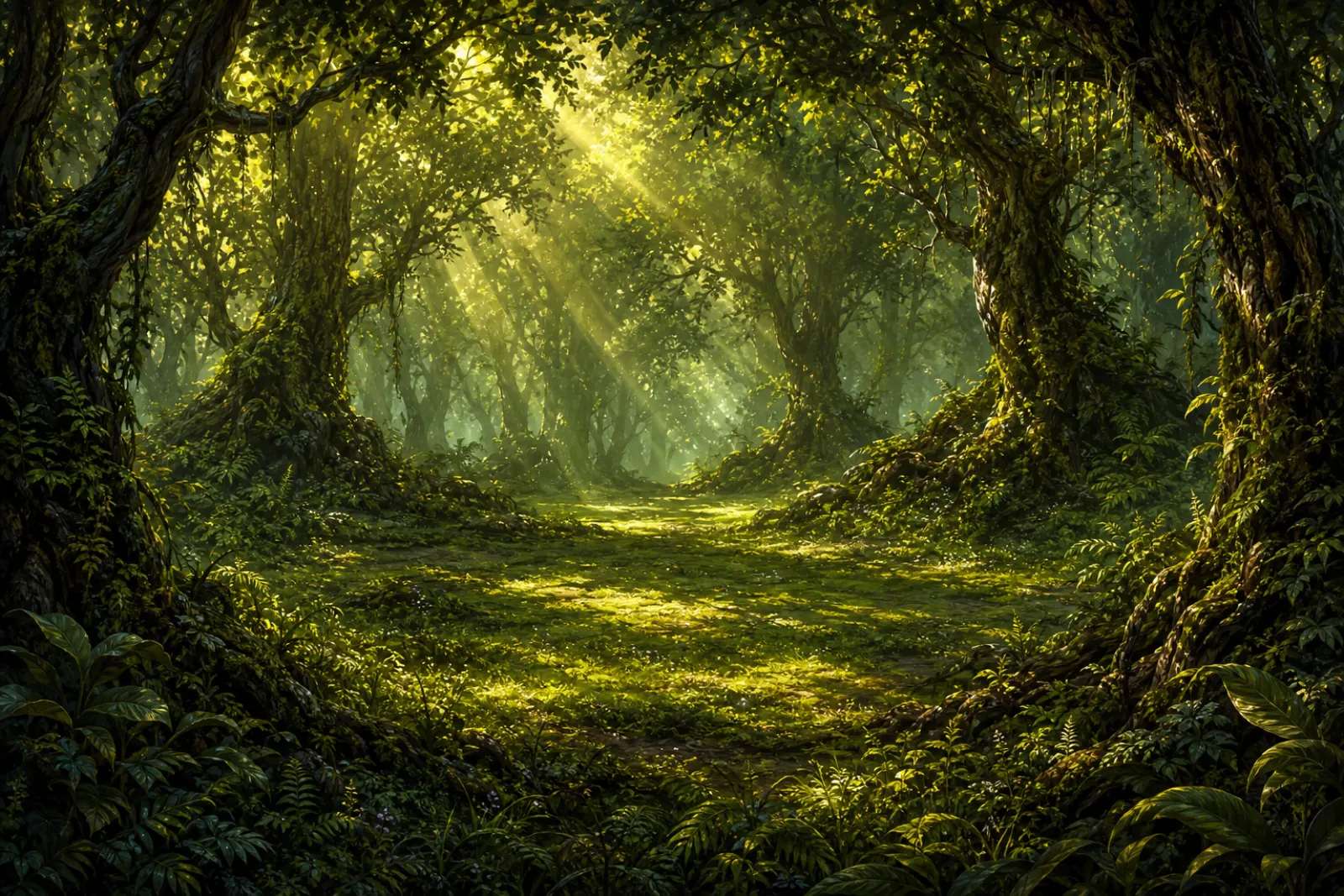 Lengthening shadows
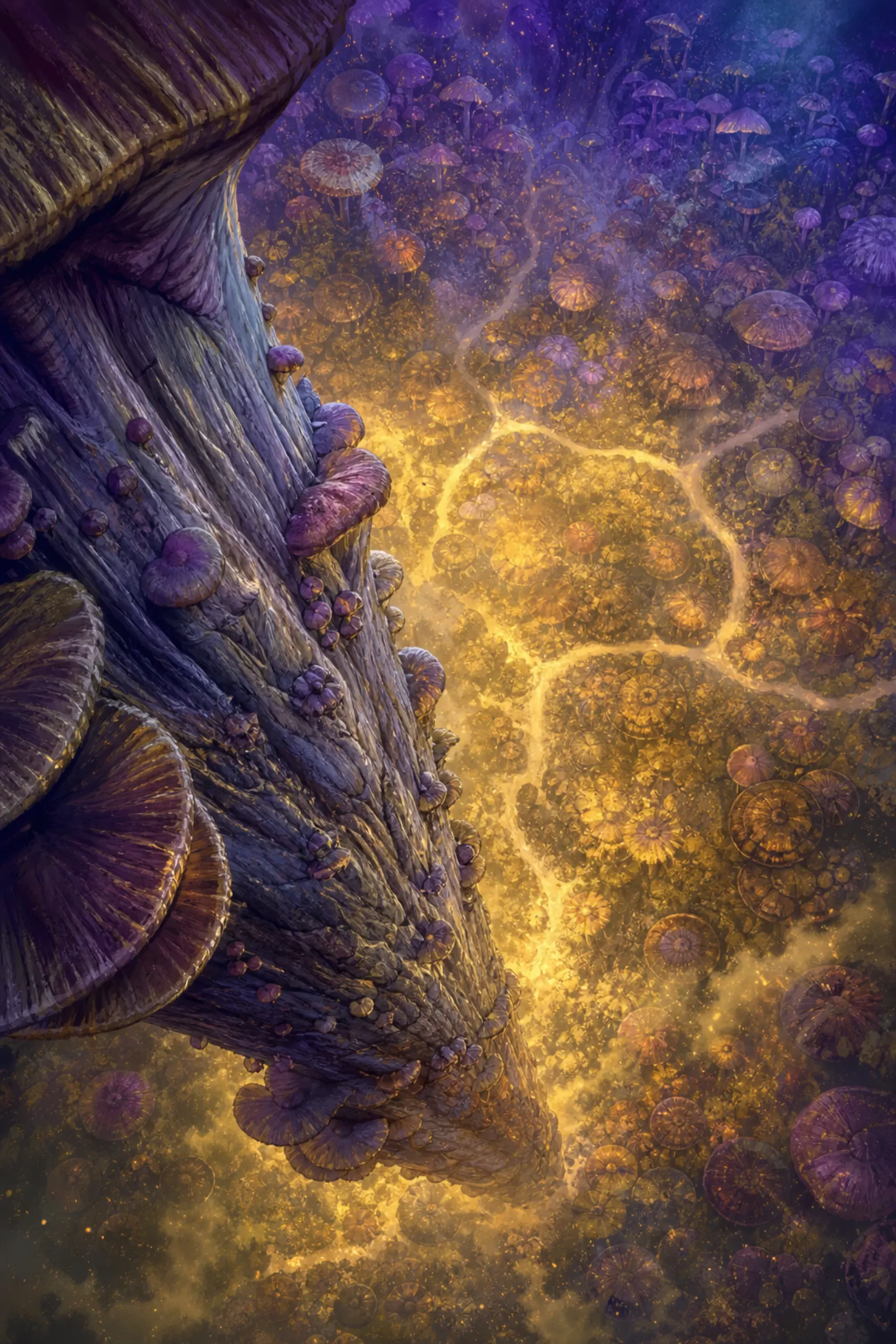 Stalk’s-eye view
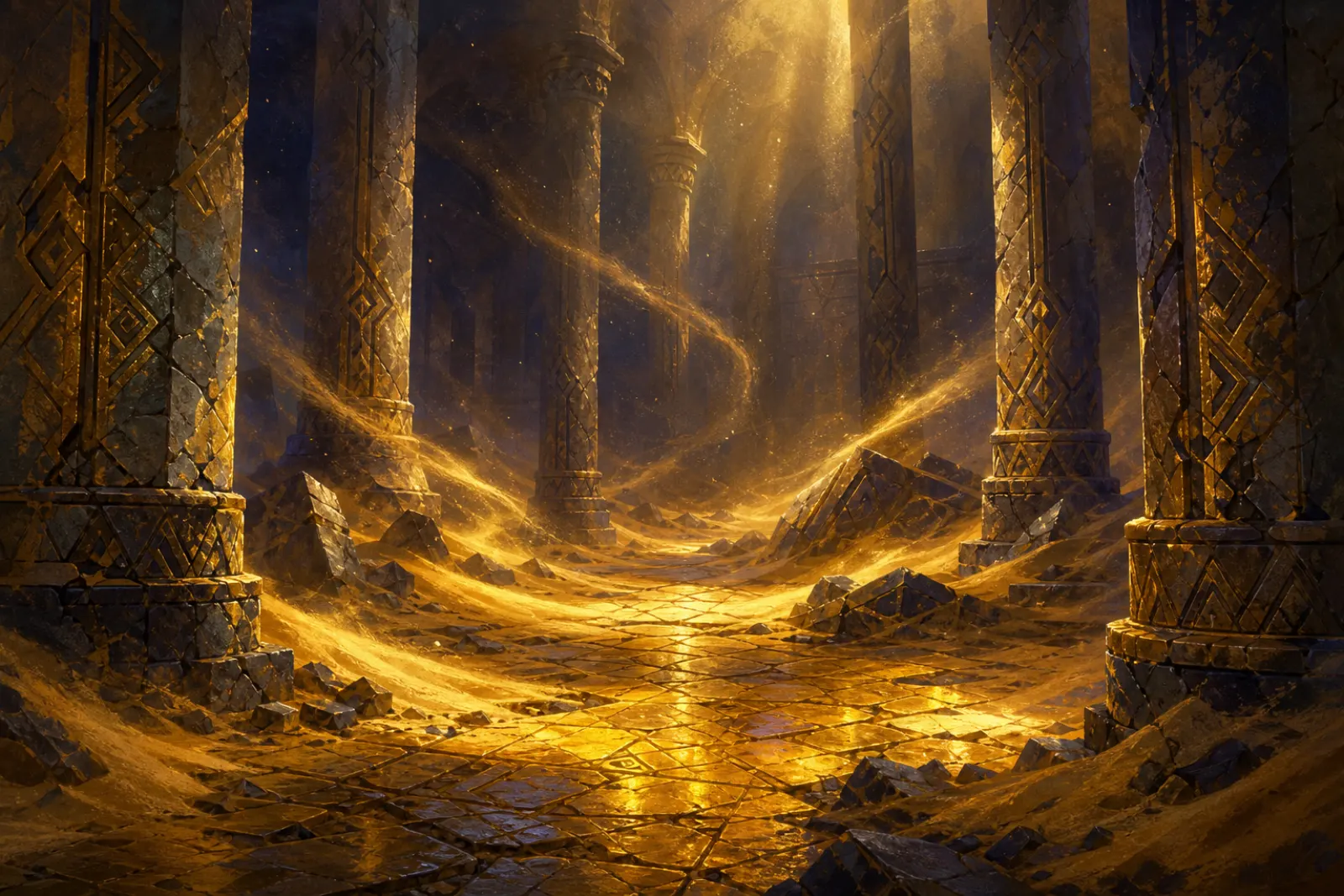
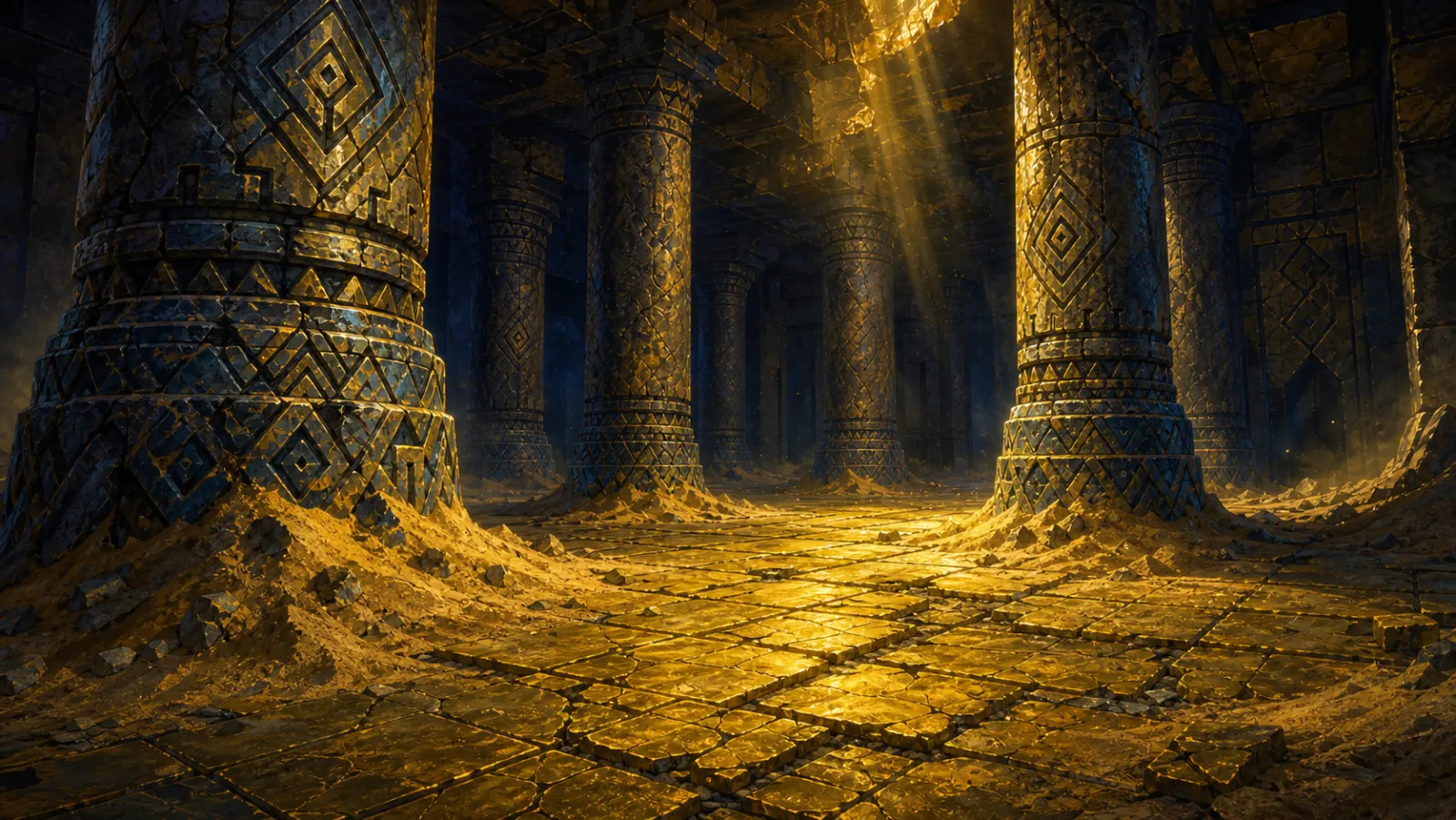 The pillared hall
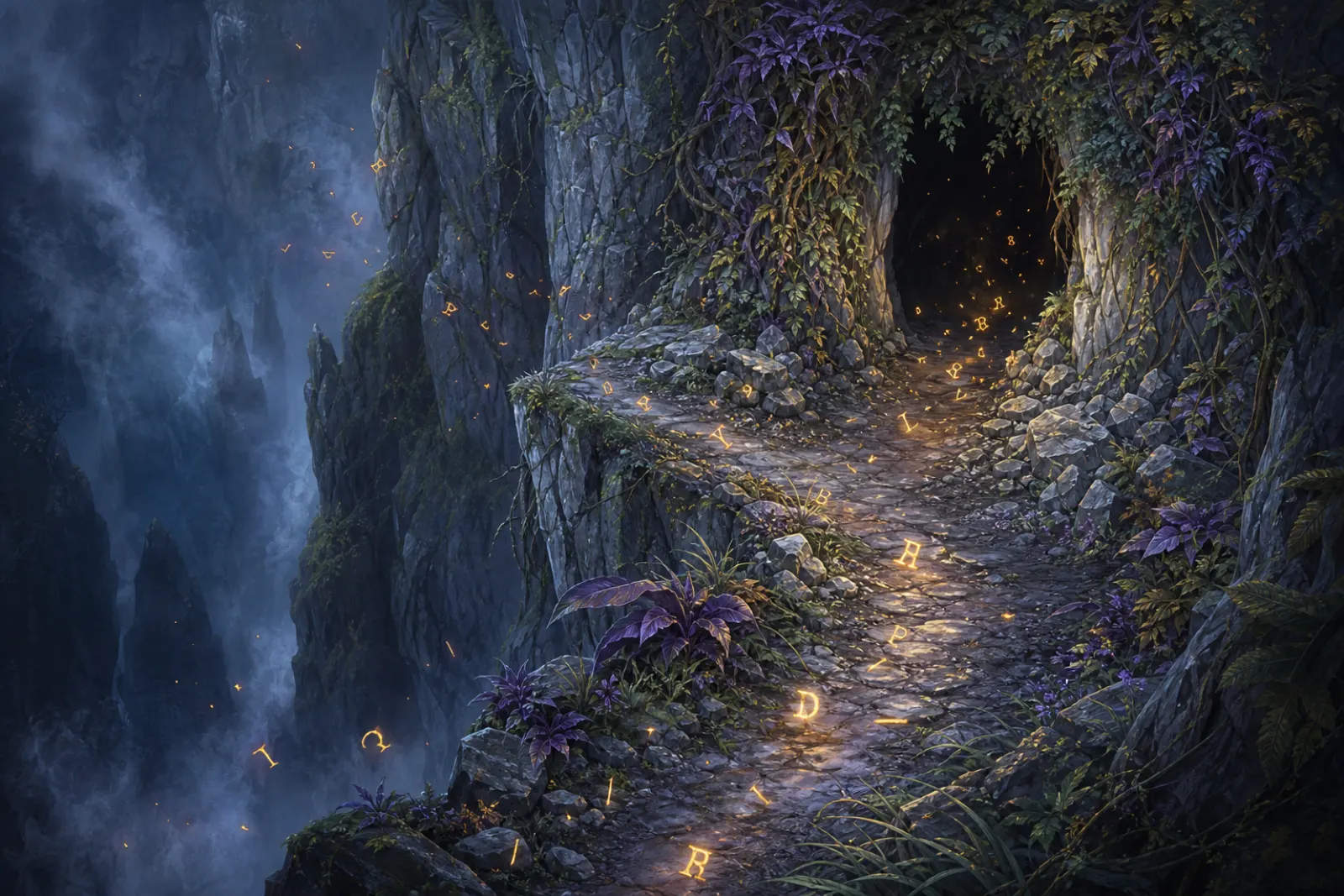 Letters to the cave
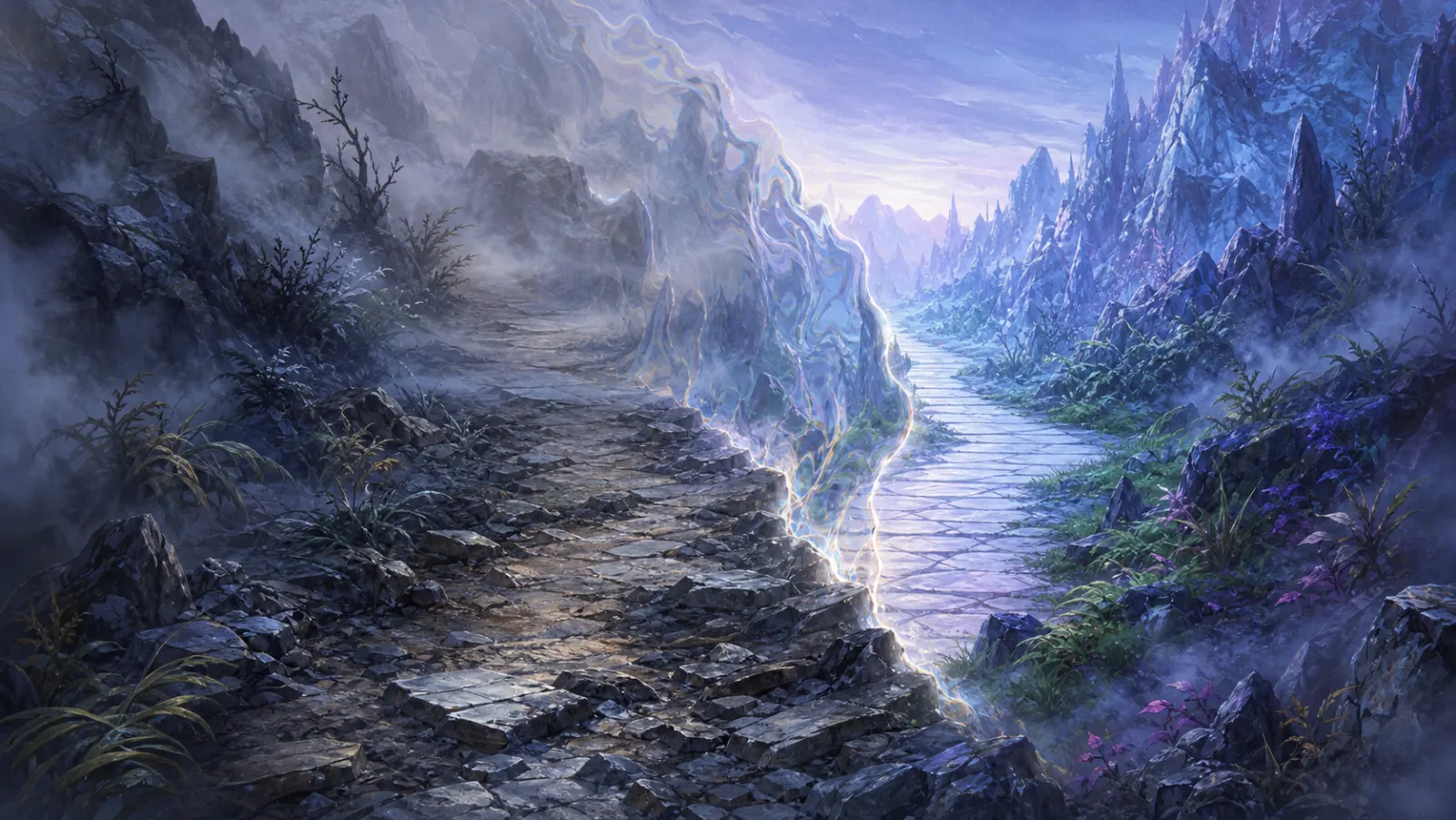 The temporal pass
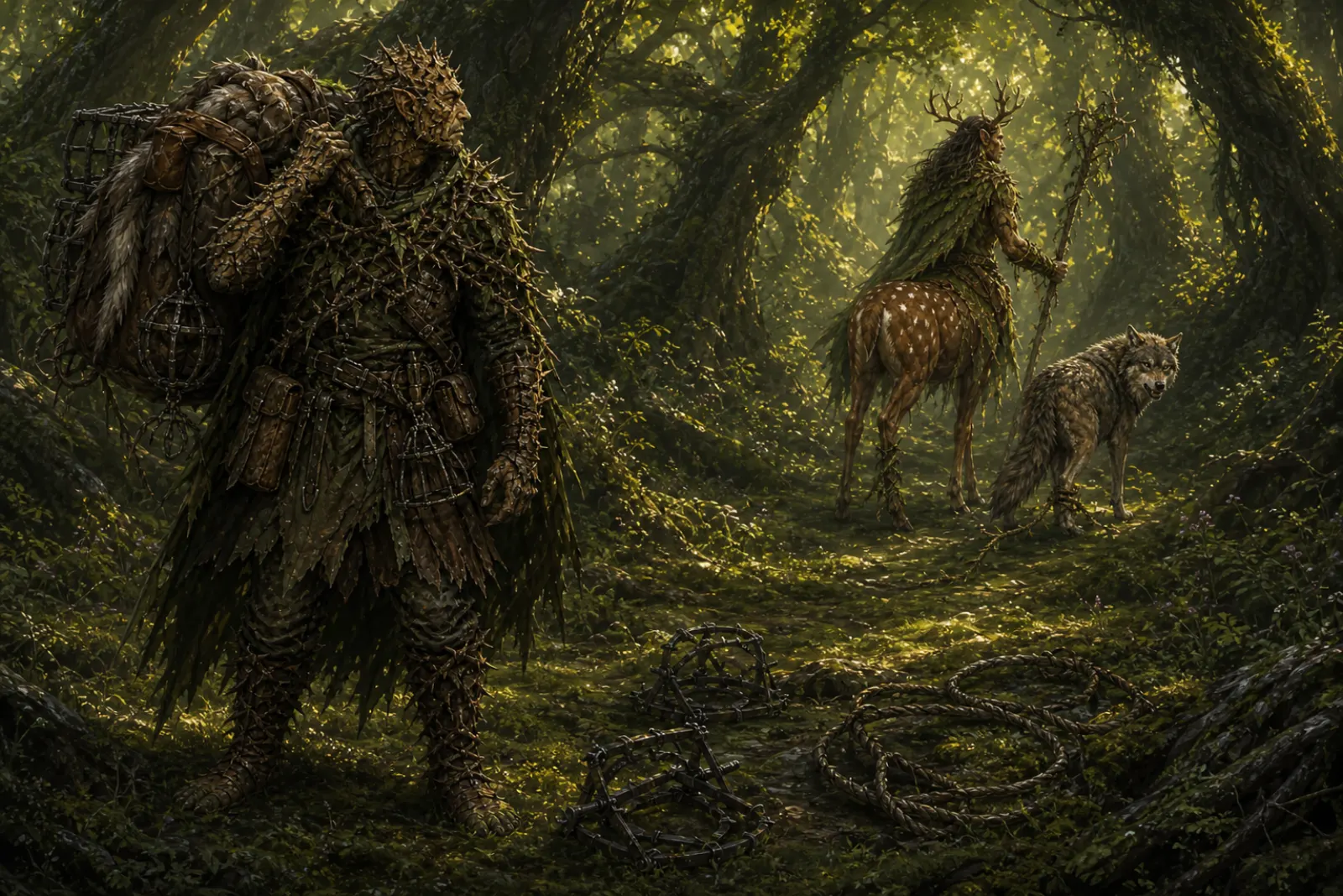 The trapper’s clearing
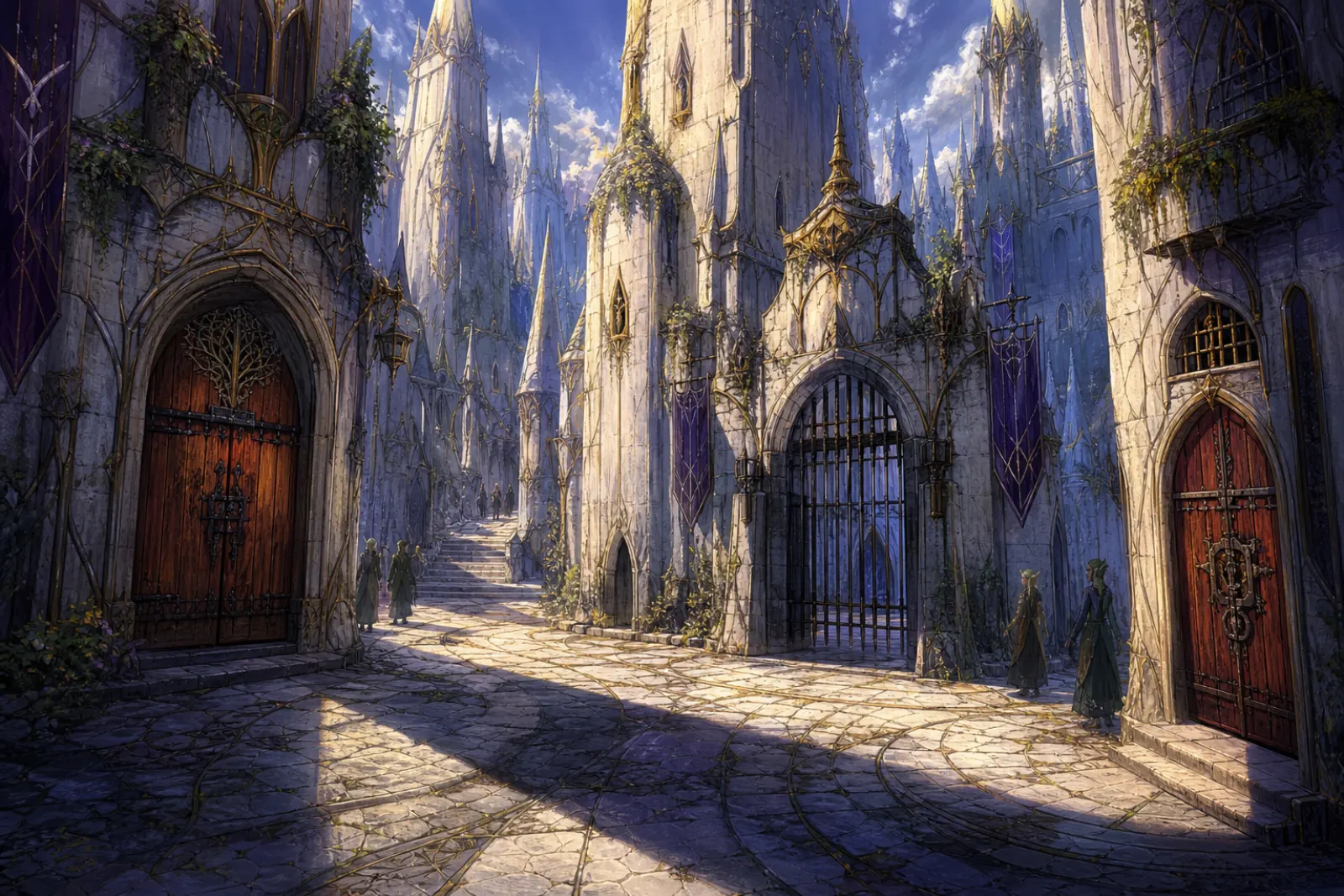 White-stone streets
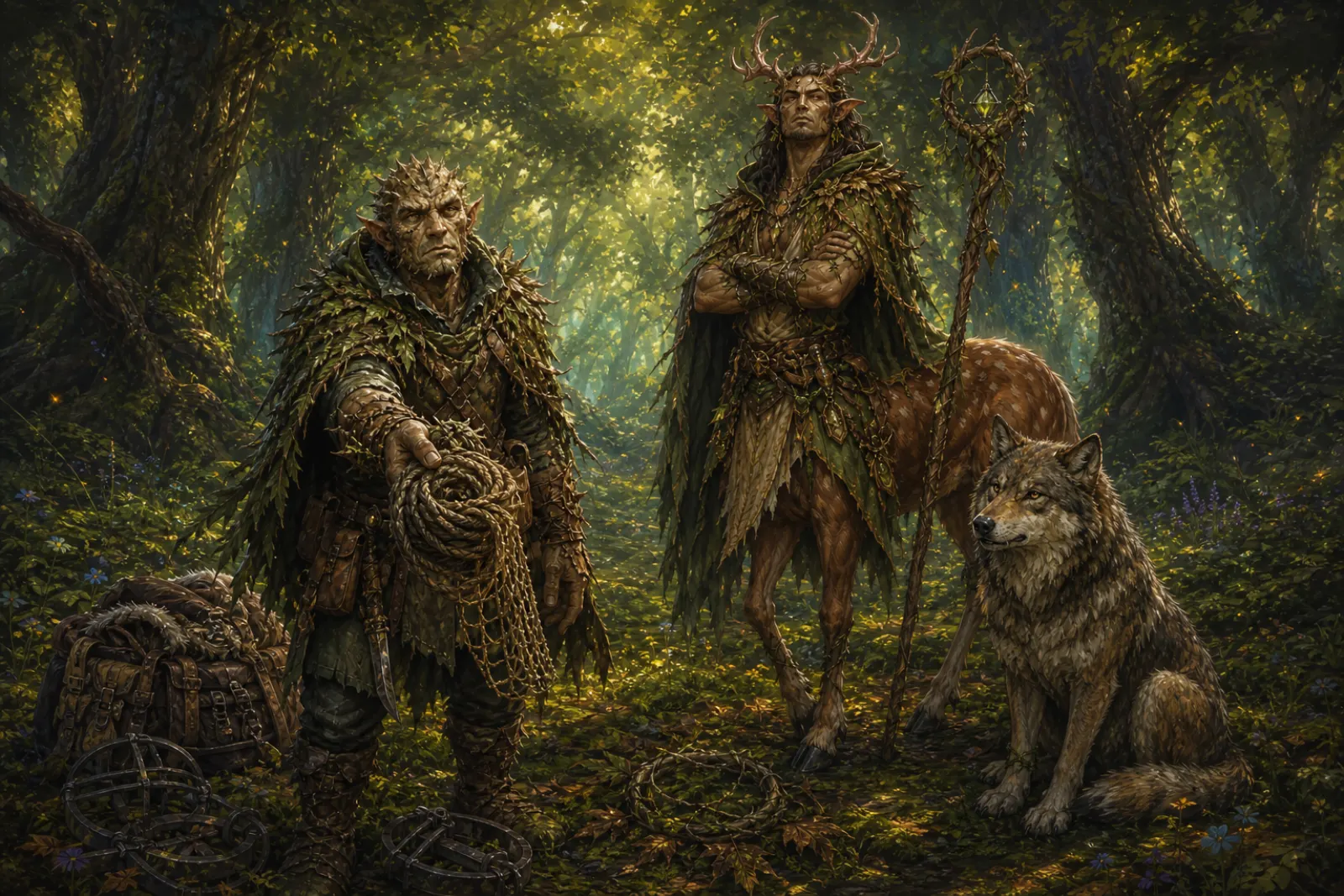 The offered snare
 The respite cavern
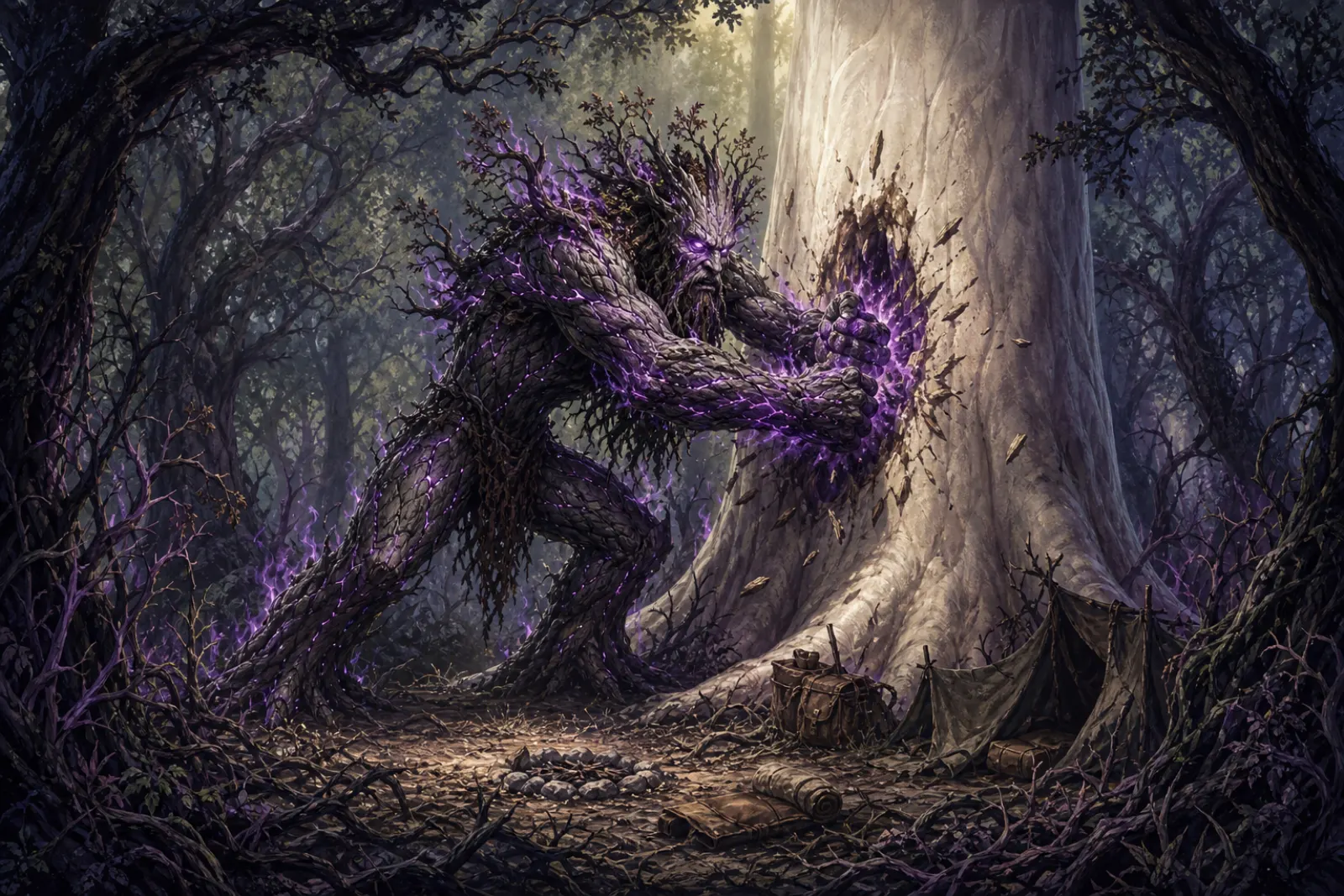 The treant at the trunk
Capabilities
An engine built for stories that branch
What the pipeline gives every tome it processes:
01
Branching choice graph
Language models map sections and decisions into a real graph — every path explicit, reviewable, and playable.
02
Consistent cast and places
Golden-master references anchor how characters and places look across scenes. We are extending the same approach to persistent voice profiles.
03
Generated scene art
Image models render the moments that matter, in a look developed for the tome rather than a generic style.
04
Narration & TTS
Scenes can speak. Text-to-speech models generate narration directly from the text of the book.
05
Responsive player
One experience, every screen: a phone at midnight or a widescreen at the desk.
06
Translation-ready structure
A converted tome carries into other languages without a second production. Language models handle translation, narration included.
Why tomebldr?
A name built the same way as the product.
tomebldr is pronounced “tome builder.” It begins with a tome — the story you want to transform. It describes a builder — the system that creates the experience. And it carries a hidden reference to Bilder, the German word for images.
Remove the vowels from builder and Bilder, and both meet in the same four letters.
- English
- BUILDER
- German
- BILDER(Bilder — “images”)
tomebldrtomebldr
Remove the vowels from builder and Bilder, and both reduce to the consonants b-l-d-r. Tome plus bldr gives tomebldr.
Who it’s for
Built for stories with more than one path.
- Gamebook authorsSee your book played, not just read.
- PublishersGive branching backlist a second life as an experience.
- Board game publishersTurn a campaign storybook into a narrative companion.
- Interactive-fiction creatorsShip a visual, audible player without building one.
- Narrative designersShow the graph, not the document.
- Role-playing storytellersTurn campaign lore into a world others can walk.
For players
Step inside branching stories.
Explore illustrated, narrated adventures — and choose where the story goes. Join the waitlist for the private beta.
Your address is used only to notify you about the private beta. We store it on our own server in the EU and you can unsubscribe at any time. Privacy policy
For publishers
See a finished tome. Then talk about your own.
tomebldr rebuilds branching books as playable web experiences. An AI pipeline turns the text into structure and generates scene art and narration around it — every stage inspectable, not a black box. We demonstrate the engine in a live session on an existing gamebook or campaign storybook, and go through what a conversion of one of your own titles would involve.
For a board game, that means the campaign storybook becomes a narrative companion players open at the table — the story layer with scenes, voices and choices, not the rules bookkeeping.
The scene art you will see is generated. Where your own visual identity comes in — existing key art, character sheets, style references — is one of the things the session is for.
We're at SPIEL Essen in October 2026 if you would rather see it in person.
How it works commercially
We license a title from you and carry the full cost of conversion — extraction, scene art, narration in the major languages. Readers subscribe to tomebldr; you receive a share of subscription revenue based on how much your titles are played. No upfront cost, no exclusivity, short initial terms. Your backlist earns again without a production budget.
Or write directly to publishers@tomebldr.com.
Who builds it
Built by Dr. Frank Ditsche
Founder and AI engineer with a PhD in mathematics — graph theory and combinatorics, which is the language a branching narrative speaks — and ten years turning data and machine learning into production systems. tomebldr is designed and built end to end: pipeline, player, and the infrastructure underneath.
- Bootstrapped in Germany
- 263 scenes from one source tome
- Google for Startups Cloud Program, Start tier
Supported by
